
15 Things to Do in Hue, Vietnam: The Ultimate Travel Guide
Hue is unlike anywhere else in Vietnam. Once the imperial capital of the Nguyen Dynasty, this peaceful city in Central Vietnam is filled with royal architecture, ancient temples, traditional villages, local markets, and one of the country’s most distinctive food cultures.
For travelers searching for the things to do in Hue, visiting the famous monuments is only the beginning. Hue is a city to experience slowly. Beyond the Imperial City and royal tombs, you can cycle through quiet villages, explore a local market, cook traditional Hue dishes, meet local artisans, drink Vietnamese coffee, and discover a way of life that has been shaped by generations of history.
Whether you have one day or several days in the city, this guide covers the best things to do in Hue, including iconic attractions, cultural experiences, local food, and some quieter ways to discover the city.

1. Explore the Imperial City of Hue
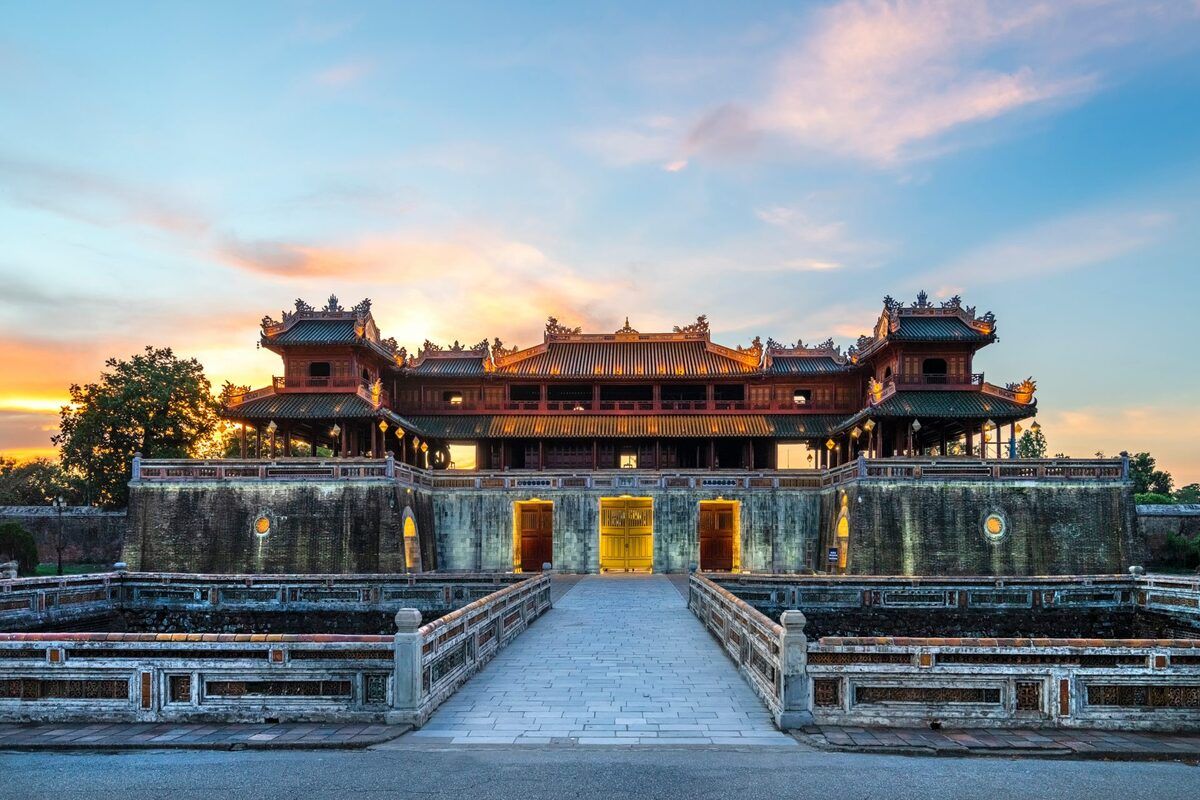
No list of things to do in Hue would be complete without the Imperial City.
Located within the historic Hue Citadel, the Imperial City was the political and ceremonial center of the Nguyen Dynasty, Vietnam’s last royal dynasty. For more than a century, emperors, royal families, mandarins, and servants lived and worked within this enormous complex.
Today, visitors can walk through monumental gates, courtyards, temples, royal residences, gardens, and restored palace buildings.
What to See Inside the Imperial City
Some highlights include:
- Ngo Mon Gate
- Thai Hoa Palace
- The To Mieu Temple
- Hien Lam Pavilion
- Dien Tho Residence
- Truong Sanh Residence
- The remaining sections of the Forbidden Purple City
Allow at least 2 – 3 hours if you want to explore comfortably.
If you want to explore the Imperial City, Thien Mu Pagoda, and the Nguyen Dynasty royal tombs with more historical context, joining a Hue City Tour can be a convenient way to discover the city’s major landmarks in one day.
Local Tip
Visit early in the morning when temperatures are cooler and the complex is quieter. Hue can become hot and humid around midday, particularly during the summer months.
2. Visit Thien Mu Pagoda
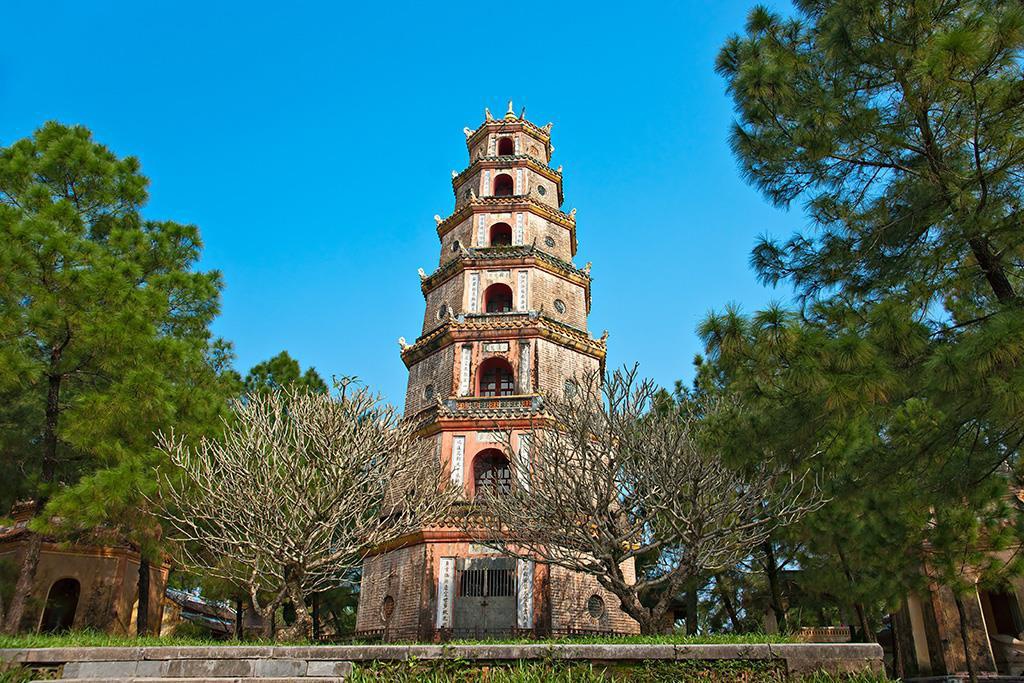
Standing above the Perfume River, Thien Mu Pagoda is one of Hue’s most recognizable landmarks.
The pagoda dates back to the early 17th century and has long been closely connected with the history and spiritual life of Hue.
Its seven-storey Phuoc Duyen Tower has become one of the symbols of the city.
Walking through the temple grounds offers a different atmosphere from Hue’s royal monuments. The gardens, pine trees, temple buildings, and river views make the area feel peaceful even though it is one of the city’s best-known attractions.
For first-time visitors, Thien Mu Pagoda is easily one of the essential things to do in Hue.
Combine the Pagoda with the Perfume River
Thien Mu Pagoda sits beside the Perfume River, so many travelers combine the visit with a boat trip or continue toward other attractions outside the city center.
3. Discover the Royal Tombs of the Nguyen Emperors
The royal tombs surrounding Hue are not simply burial places. They were designed as elaborate architectural complexes reflecting the personality, philosophy, and aesthetic preferences of individual emperors.
Exploring them is one of the most fascinating things to do in Hue for anyone interested in Vietnamese history and architecture.
Three tombs are particularly popular.
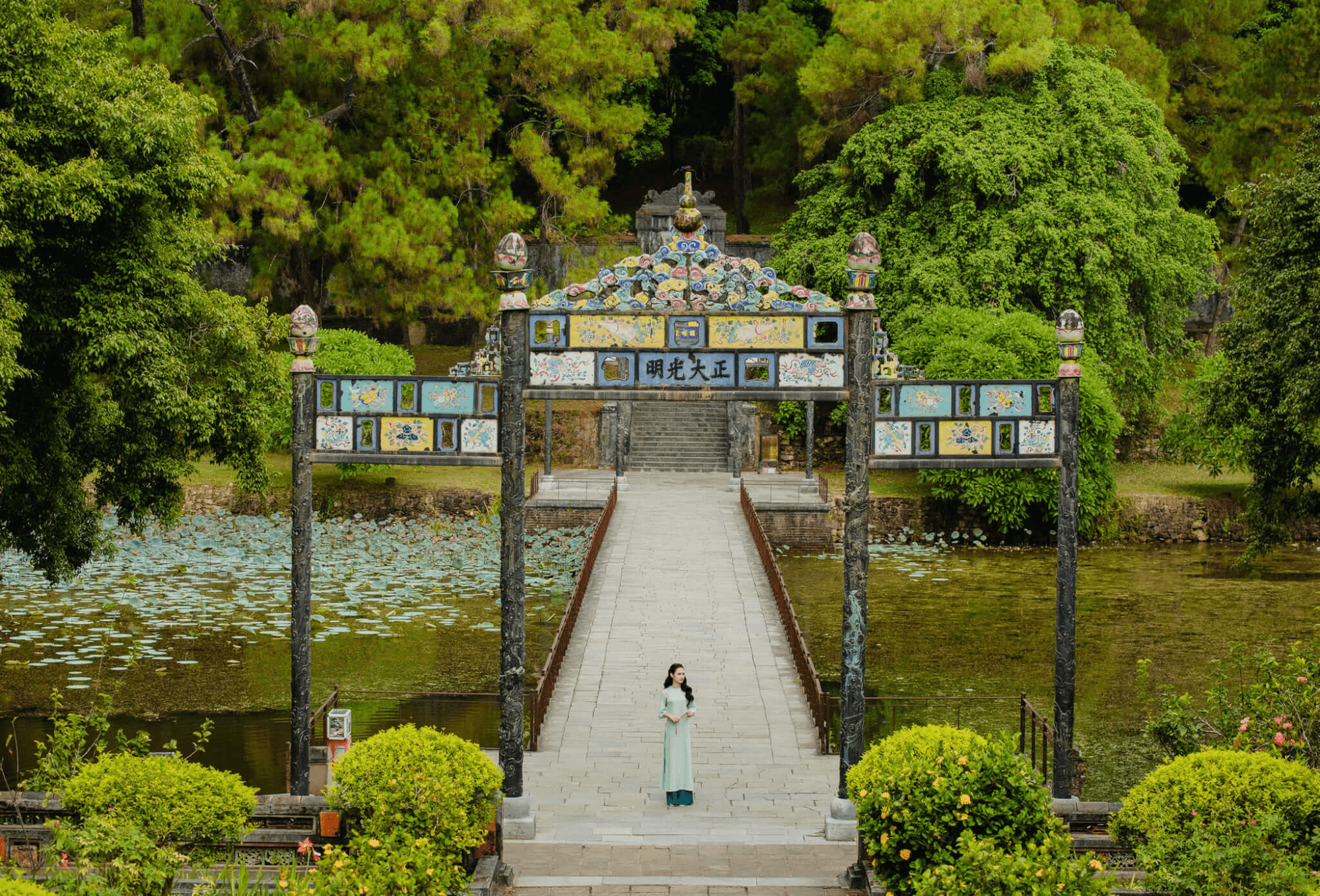
3.1. Tomb of Emperor Minh Mang
Minh Mang Tomb is known for its symmetry and harmony with nature.
Lakes, bridges, gates, courtyards, temples, and pavilions are arranged along a carefully planned central axis.
It is a great choice for travelers who appreciate traditional Vietnamese architecture and peaceful landscapes.
3.2. Tomb of Emperor Khai Dinh
Khai Dinh Tomb looks dramatically different.
Built on a hillside, the complex combines Vietnamese design with strong European influences. Its most impressive feature is the richly decorated interior of Thien Dinh Palace, where mosaics and elaborate ornamentation cover the walls and ceilings.
3.3. Tomb of Emperor Tu Duc
Tu Duc Tomb feels almost like a royal retreat.
Emperor Tu Duc used the area during his lifetime as a place to write poetry, relax, and escape from court life. Pine trees, water, pavilions, and traditional buildings create a calm atmosphere.
If your schedule allows, visiting two or three royal tombs will give you a much better understanding of Hue’s imperial history.

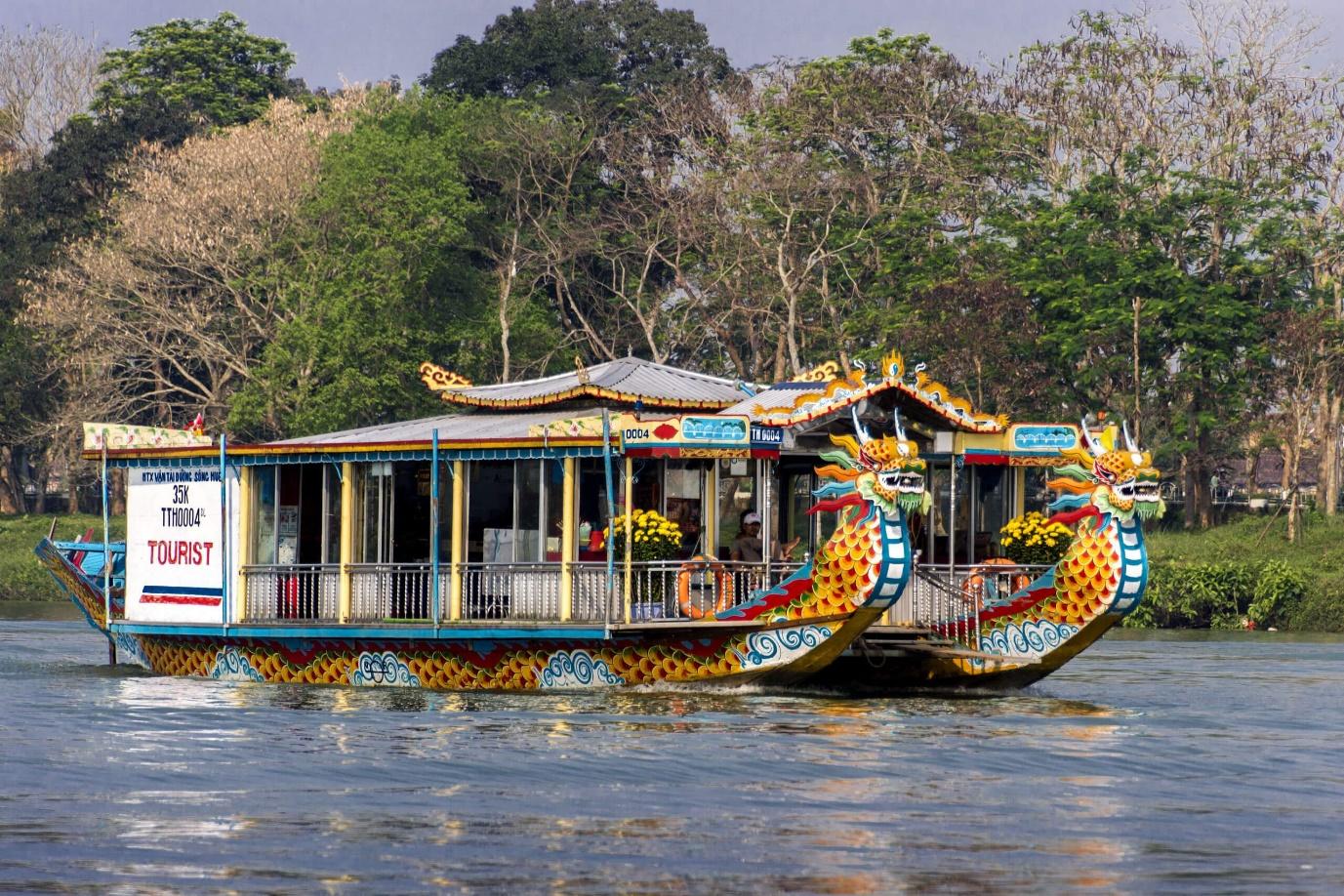
4. Take a Boat Ride on the Perfume River
The Perfume River, or Huong River, flows directly through Hue and has influenced the city’s history, culture, and poetry for generations.
A boat journey provides a slower perspective of the city and surrounding landscape.
Depending on the route, you may pass riverside villages, pagodas, gardens, and traditional houses.
A Perfume River trip can also be combined with Thien Mu Pagoda, making it a relaxing addition to your list of things to do in Hue.
5. Experience Hue Cuisine
Hue is one of Vietnam’s most exciting destinations for food lovers.
The city’s cuisine was influenced both by royal culinary traditions and everyday local cooking. As a result, Hue food is known for carefully balanced flavors, colorful presentation, and a huge variety of small dishes.
Trying local specialties should therefore be high on any list of things to do in Hue.
What Should You Eat in Hue?
Start with:
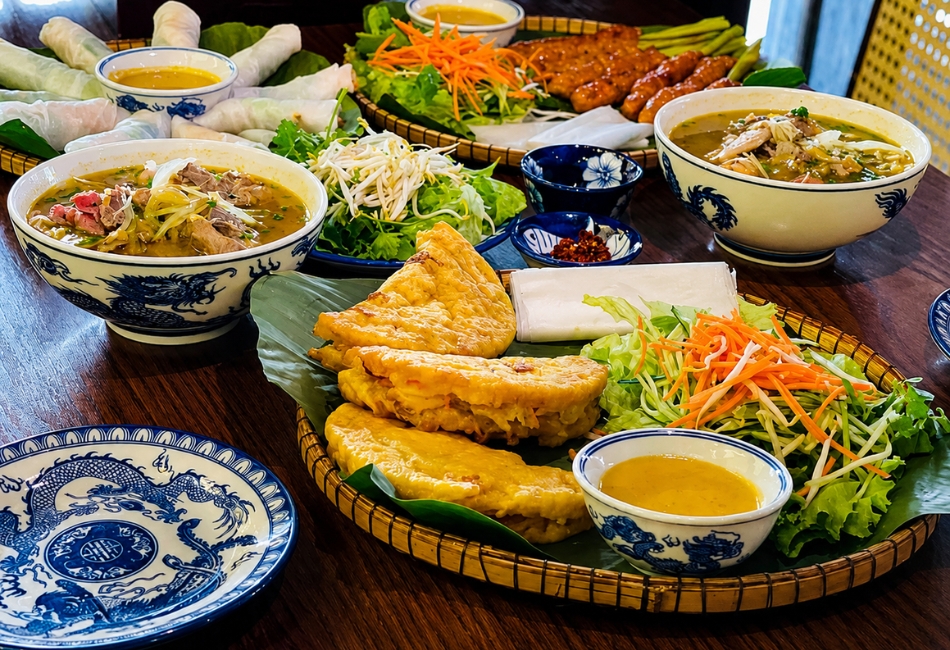
Bun Bo Hue – Hue’s famous spicy beef noodle soup, usually served with herbs and vegetables.
Banh Khoai – A crispy Hue-style pancake typically filled with shrimp, pork, and bean sprouts and served with a rich dipping sauce.
Nem Lui – Grilled meat served with rice paper, herbs, vegetables, and dipping sauce.
Banh Beo – Small steamed rice cakes topped with savory ingredients.
Banh Nam – Soft rice-flour cakes wrapped and steamed in banana leaves.
Banh Loc – Chewy tapioca dumplings often filled with shrimp and pork.
Hue also has a strong vegetarian food culture, partly connected with the city’s Buddhist traditions.
6. Join a Hue Cooking Class
Eating Hue food is wonderful. Learning how it is prepared gives you a much deeper understanding of the local culture.
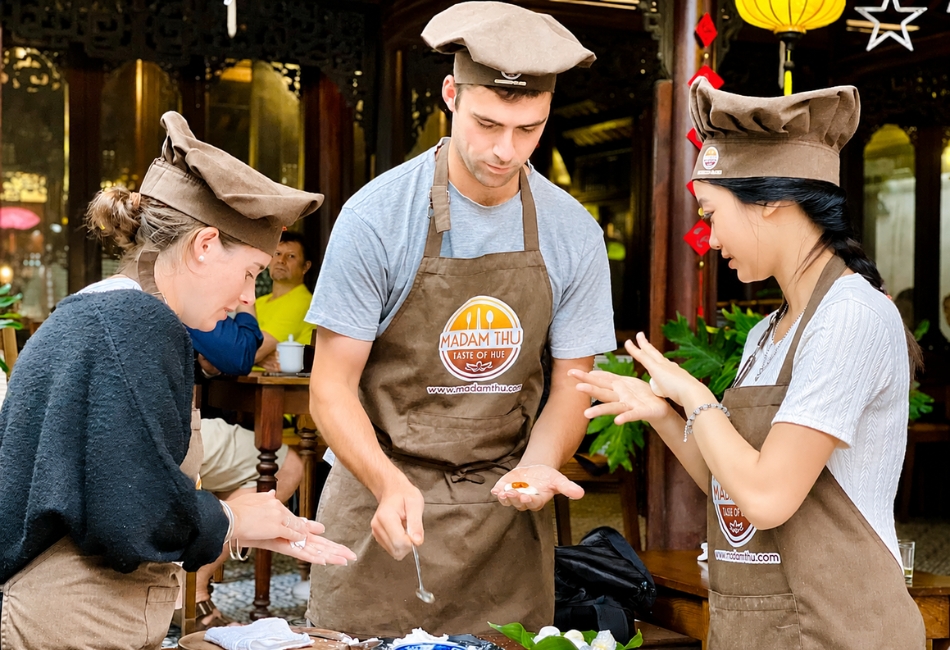
A cooking class is one of the most interactive things to do in Hue, especially for travelers who want more than sightseeing.
A good local cooking experience may begin at a traditional market, where you can learn about Vietnamese herbs, vegetables, spices, noodles, and other ingredients.
After visiting the market, you can learn how several Hue dishes are prepared and understand the techniques behind the flavors you encounter in local restaurants.
Why Choose a Cooking Class?
It gives you an opportunity to:
- Meet local people
- Learn about everyday ingredients
- Understand Hue’s food culture
- Prepare traditional dishes yourself
- Take recipes and cooking knowledge home
For experience-driven travelers, this can become one of the most memorable activities of the trip.
If Hue cuisine is one of the reasons you are visiting the city, consider joining a Hue Cooking Class that combines a local market visit with hands-on cooking.
Looking for more experiences during your stay? Discover our guide to the best things to do in Hue
7. Explore Dong Ba Market
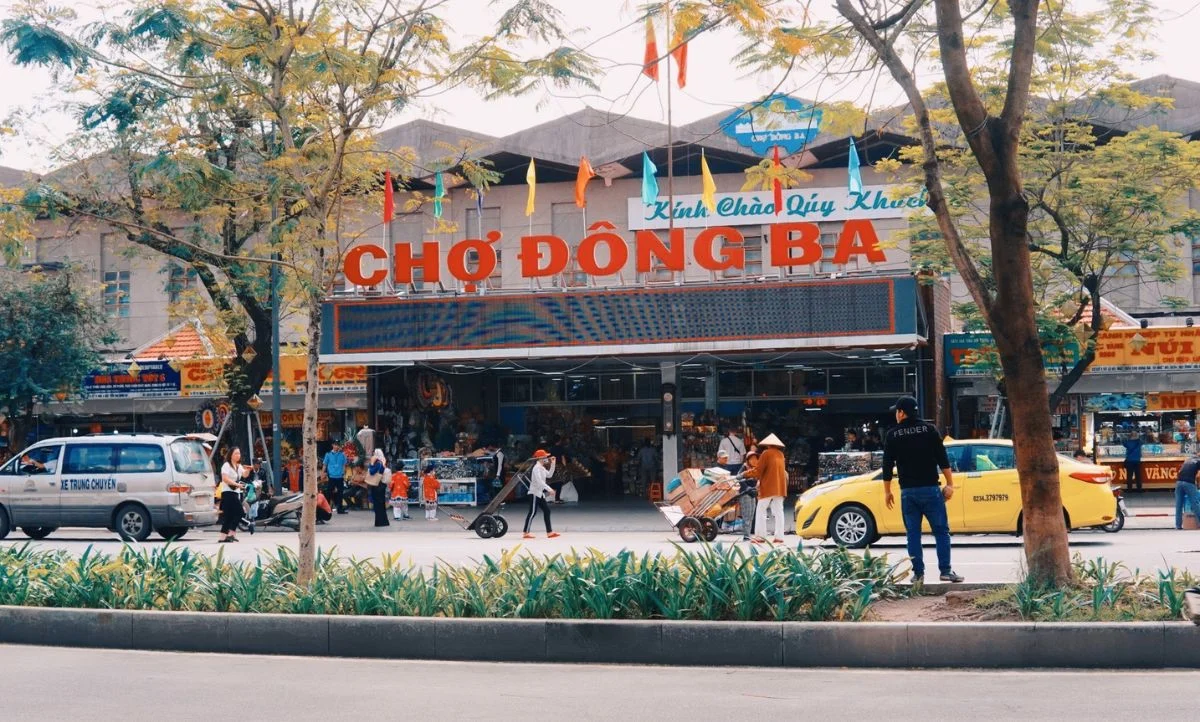
If you want to observe everyday life in Hue, visit Dong Ba Market.
Located near the Perfume River, this large traditional market sells almost everything: fresh produce, herbs, spices, household goods, clothing, souvenirs, and prepared food.
The market is busy, colorful, and sometimes chaotic – which is exactly what makes it interesting.
What to Do at Dong Ba Market
Walk through the fresh-food section, look at local ingredients, try a snack, or simply observe how local people shop.
Visiting with a local guide can make the experience more meaningful because many ingredients and foods may be unfamiliar to international travelers.
8. Discover Hue’s Traditional Craft Villages
Hue’s cultural heritage extends far beyond the Imperial City.
For generations, villages surrounding Hue have specialized in traditional crafts, from paper flowers to folk paintings and incense.
Visiting these communities is among the most culturally rewarding things to do in Hue.
8.1. Thanh Tien Paper Flower Village
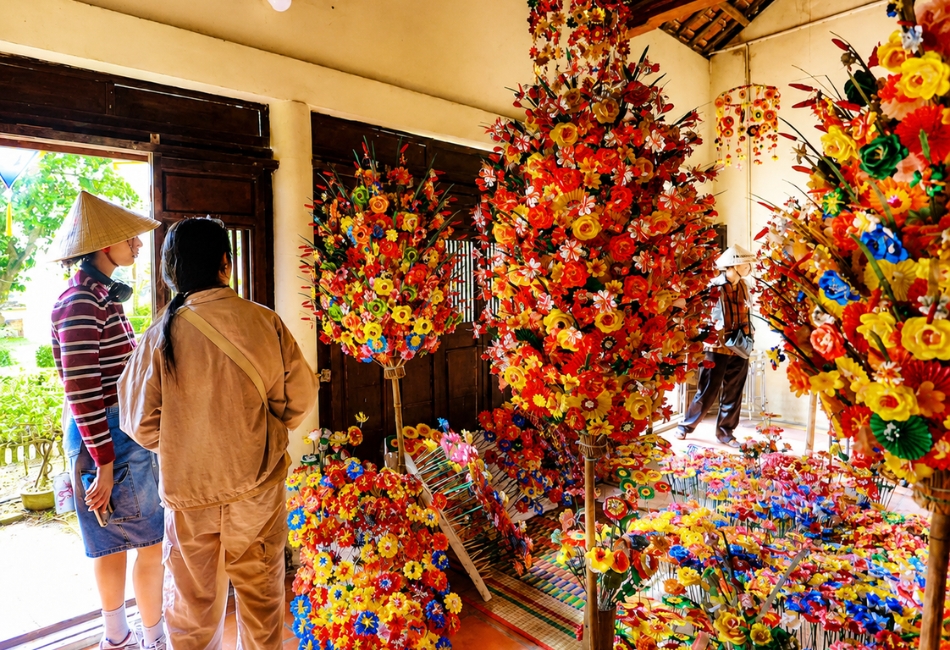
Thanh Tien Village is famous for handmade paper flowers.
The craft has been passed through generations, and the flowers traditionally have spiritual and decorative purposes in Hue households.
Watching an artisan transform simple pieces of paper and bamboo into colorful flowers gives visitors a closer look at local craftsmanship.
8.2. Sinh Village
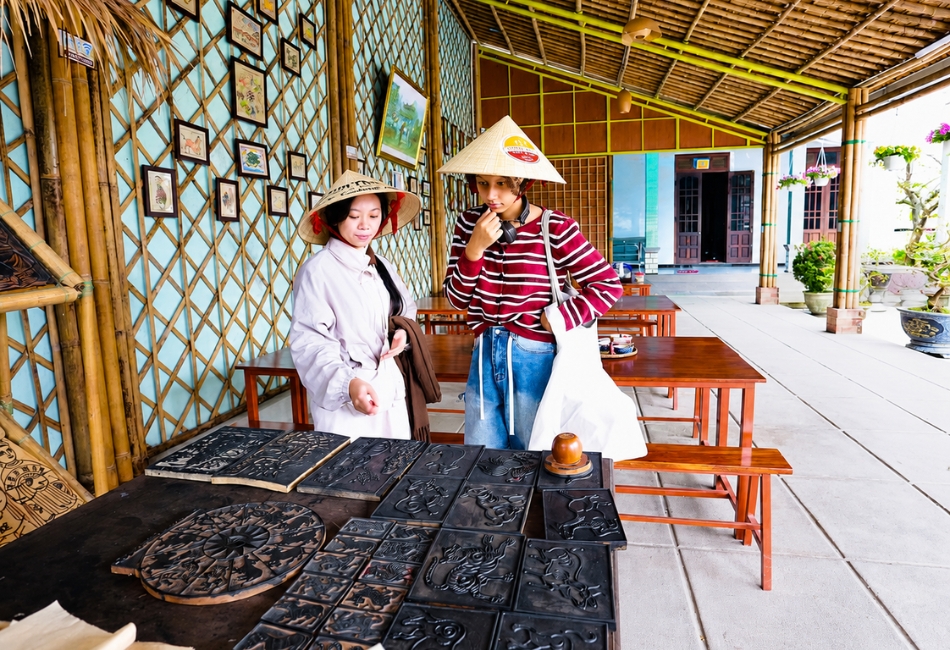
Sinh Village is known for traditional folk paintings.
Historically, many of these prints were created for religious and ceremonial purposes. Artisans continue to preserve the traditional woodblock-printing technique today.
These villages offer something that monuments cannot: the opportunity to meet people who are actively keeping Hue’s traditions alive.
Travelers who want to go beyond sightseeing can join a Hue Craft Village Tour to visit traditional communities, meet local artisans, and learn how local crafts are still preserved today
9. Visit Thuy Xuan Incense Village
Thuy Xuan is known for traditional incense making and its colorful displays of incense sticks.
Located on the route toward several imperial tombs, it is easy to combine with a day of sightseeing.
Visitors can learn briefly about how incense is made and its role in Vietnamese spiritual traditions.
The colorful bundles also make the village a popular photography stop.
However, rather than visiting only for photos, take a little time to learn about the craft and the people who produce the incense.

10. Cycle Through Hue’s Countryside
Leave the busy roads behind and Hue changes quickly.
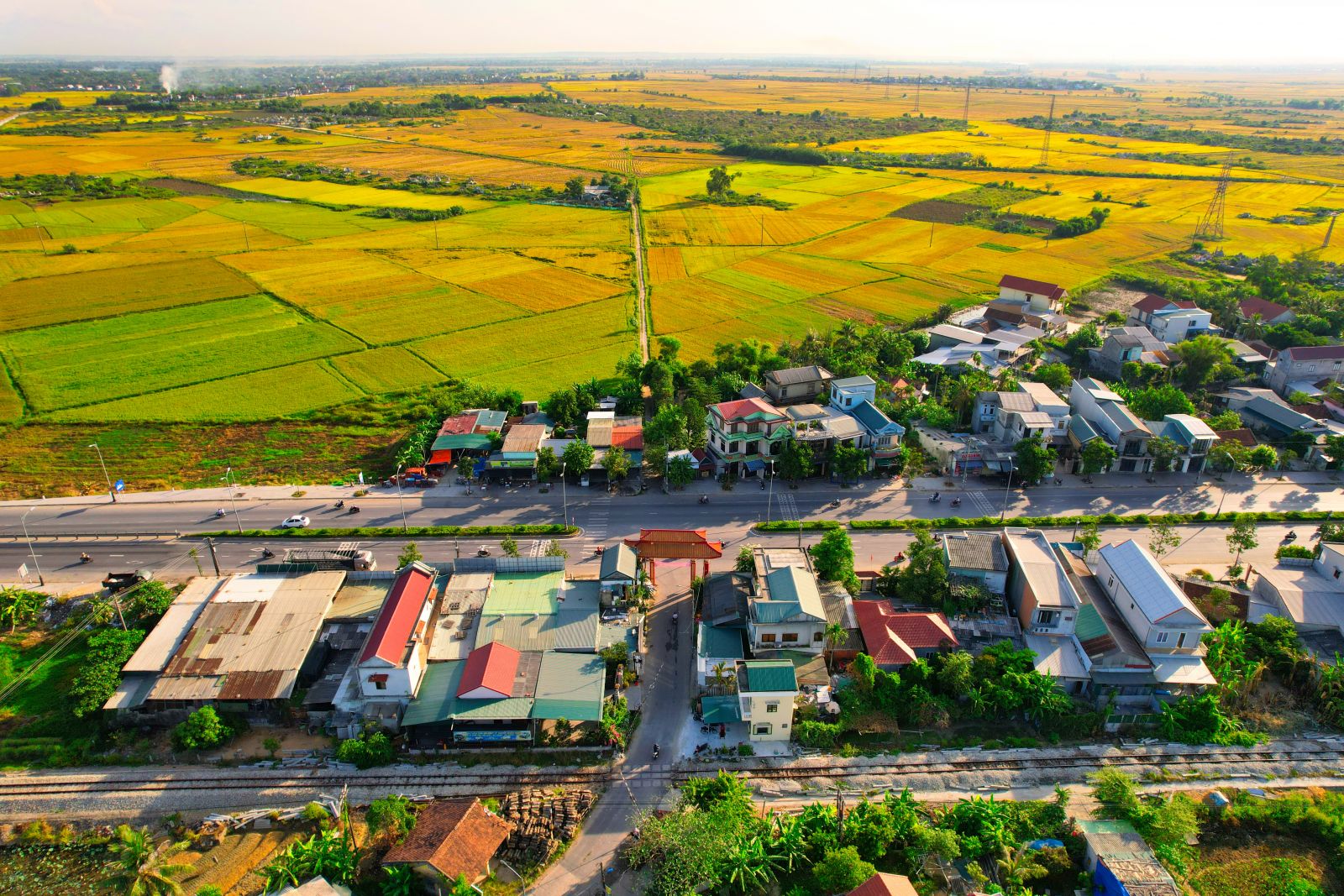
Small lanes lead through vegetable gardens, rice fields, family homes, temples, and villages.
Cycling is one of the best things to do in Hue for travelers interested in everyday local life rather than only famous attractions.
Explore La Chu Village
La Chu is a traditional village outside central Hue with a long agricultural history.
The surrounding area provides a different side of the destination: quieter, greener, and closely connected with farming and village life.
Depending on the season, the landscape and crops change throughout the year.
A countryside experience can include cycling along village roads, visiting local farms, stopping at a local market, drinking coffee, or simply meeting residents along the way.
For a slower and more local experience, a Hue Countryside Tour lets you leave the city center and discover village roads, farming areas, local markets, and everyday life around Hue
11. Drink Vietnamese Coffee Like a Local
Vietnamese coffee is famous worldwide, but the experience is best enjoyed slowly.
Instead of only ordering coffee from a tourist café, look for a small local spot where residents gather in the morning.
Try traditional ca phe sua da – strong Vietnamese coffee with condensed milk and ice – or ca phe den, black Vietnamese coffee.
Coffee culture is an important part of daily social life in Vietnam.
Spending half an hour at a neighborhood café might seem simple, but these quiet everyday experiences often become some of the most memorable things to do in Hue.

12. Walk Around Hue in the Evening
Hue has a very different atmosphere after sunset.
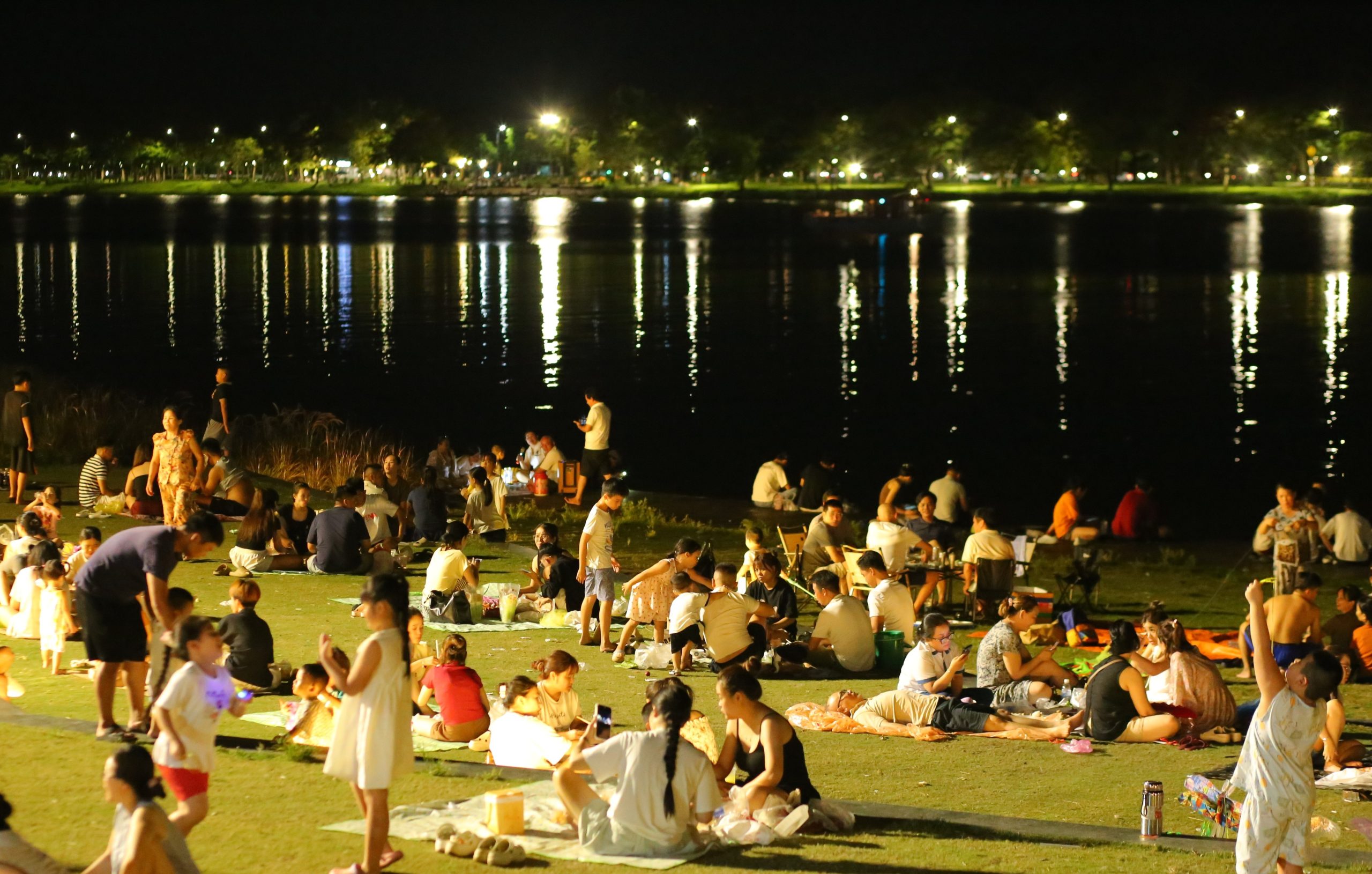
Temperatures become cooler, locals gather around the river, and the bridges and streets begin to light up.
Walking beside the Perfume River is an easy way to enjoy the evening.
You can also explore the area around the city center, stop for local food, or simply find a riverside seat and watch Hue slow down after a busy day.
Unlike some of Vietnam’s larger cities, Hue’s evenings can feel relatively relaxed.
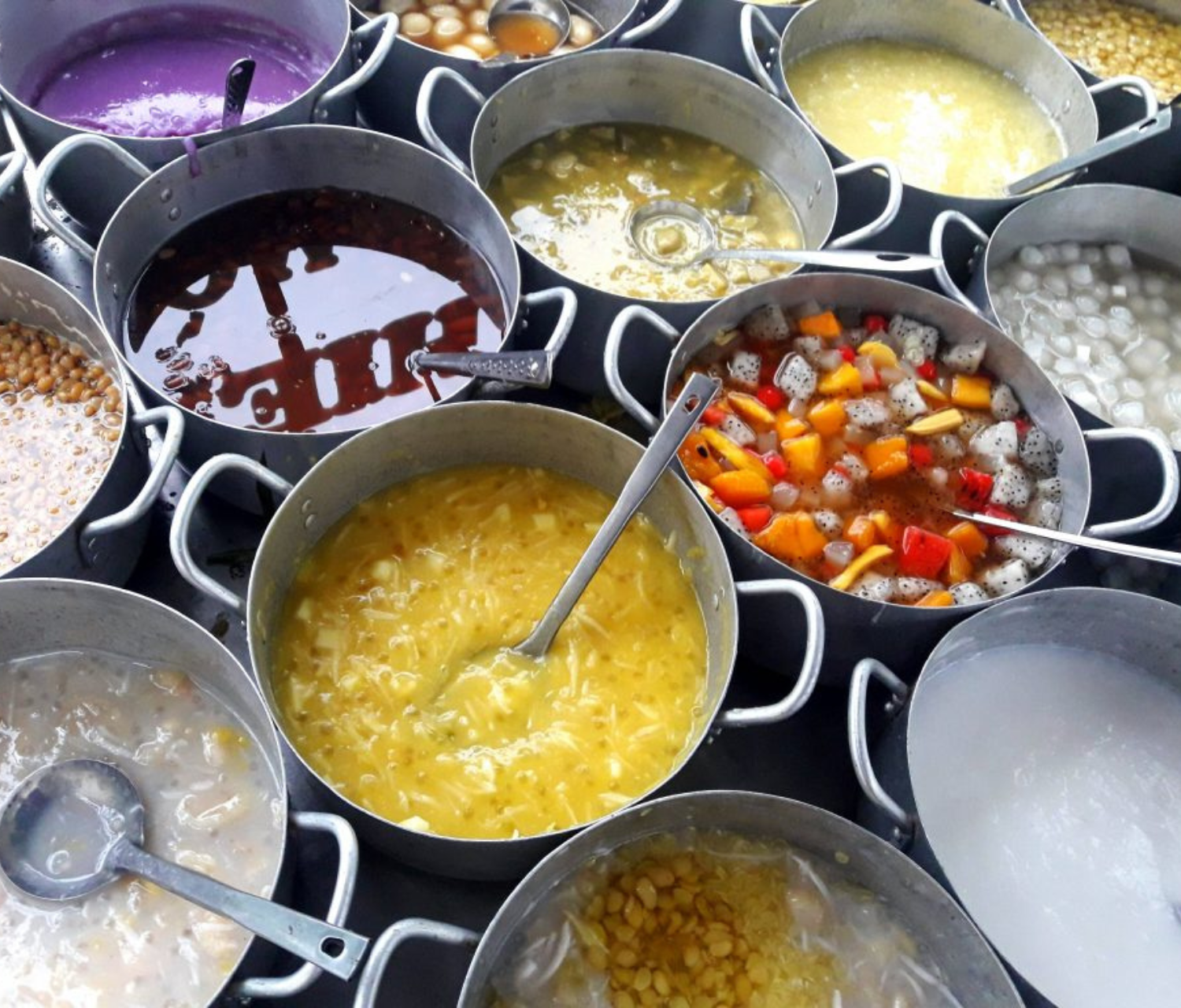
13. Try a Hue Street Food Tour
If you only have limited time but want to discover several local dishes, consider joining a street food tour.
A knowledgeable local guide can introduce dishes that international travelers might otherwise overlook and explain how they are eaten.
Beyond tasting food, these tours can reveal stories about local ingredients, family businesses, markets, and culinary traditions.
For food-focused travelers wondering about the best things to do in Hue, a local food tour is an excellent way to combine culture and cuisine in a single evening.
14. Experience Hue Beyond the Tourist Attractions
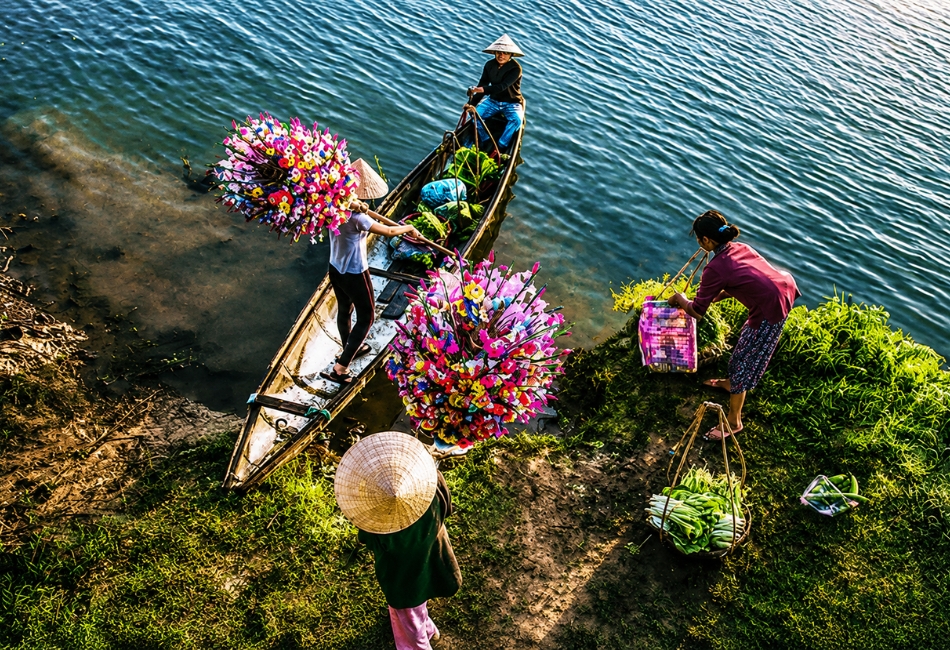
Hue’s UNESCO-listed monuments are essential, but they represent only one part of the city.
Try spending some time without rushing from attraction to attraction.
Walk through a residential neighborhood. Visit a morning market. Stop for coffee. Cycle through a village. Talk with an artisan. Learn how a local dish is prepared.
These experiences reveal a quieter side of Hue.
The city becomes much more interesting when you begin seeing it not simply as Vietnam’s former imperial capital, but as a living community where traditions continue alongside everyday modern life.
That is why some of the best things to do in Hue are not necessarily places you can mark on a map.
15. Spend at Least Two Days in Hue
Many travelers initially plan Hue as a quick stop between Hoi An and destinations farther north.
If possible, give the city more time.
One Day in Hue
If you only have one day, focus on the major historical attractions:
- Imperial City
- Thien Mu Pagoda
- One or two royal tombs
- Hue local food in the evening
Two Days in Hue
With two days, use the second day for more local experiences:
- Traditional market
- Cooking class
- Countryside cycling
- Craft villages
- Local coffee
- Street food
Three Days in Hue
Three days allows you to travel much more slowly.
You can dedicate one day to imperial heritage, another to food and villages, and a third to exploring the countryside or simply enjoying the city without a fixed schedule.
When Is the Best Time to Visit Hue?
Hue has a tropical climate with noticeable wet and dry periods.
Generally, the months with more comfortable temperatures and lower rainfall are popular with visitors. Summer can be very hot, while the wetter months can bring extended periods of rain.
Weather patterns can vary from year to year, so check the forecast before your trip.
Regardless of season, mornings are often the most comfortable time for outdoor sightseeing.
How Many Days Do You Need in Hue?
For most first-time visitors, two to three days is a good amount of time.
Two days allows you to visit the main monuments while still having time for food and local experiences.
Three days provides a more relaxed pace and makes it easier to explore villages and countryside outside the city center.
If you are particularly interested in Vietnamese history, photography, food, or traditional culture, you could easily stay longer.
How to Get Around Hue
Central Hue is relatively compact, but several major attractions — especially the royal tombs — are outside the center.
Depending on your travel style, you can get around by:
- Bicycle
- Motorbike
- Taxi
- Private car
- Local tour
- Boat for selected riverside attractions
Cycling works particularly well for exploring quieter neighborhoods and countryside areas, while a car or motorbike is more practical when visiting several royal tombs in one day.
Final Thoughts: Discover the Real Hue
Hue can easily be explored independently, but joining a local experience can help you understand the stories, people, food, and traditions behind the places you visit.
Depending on your interests, you can explore the Imperial City and royal tombs on a Hue City Tour, discover artisans and traditional communities on a Hue Craft Village Tour, experience rural life on a Hue Countryside Tour, or learn about local cuisine through a hands-on Hue Cooking Class.
Rather than simply moving from one attraction to another, these experiences allow you to connect more closely with local life and discover a side of Hue that many short-term visitors miss.
Recent Posts

How to Get Thien Mu Pagoda: Complete Hue Travel Guide
Incense Making Village Hue: Discover the Traditional Craft of Thuy Xuan