Hue Local Guide: A Complete Guide to Experiencing Hue Like a Local
If you are searching for a hue local guide who can show you more than the famous Imperial City, Hue has far more to offer than you might first expect. The city is known for its royal heritage, ancient temples and beautiful Perfume River, but its true character can be found in the quieter moments: a morning at a traditional market, a bowl of Bún Bò Huế enjoyed at a local eatery, a bicycle ride through village lanes, a conversation with a local family or a peaceful afternoon surrounded by vegetable gardens in the countryside.
What makes Hue particularly special is the way its past and present exist side by side. You can spend the morning walking through the former imperial capital of the Nguyen Dynasty and learning about emperors, royal ceremonies and traditional architecture, then leave the city centre and find yourself among rice fields, vegetable gardens and small family homes where everyday life moves at a completely different pace. A knowledgeable hue local guide can help connect these two sides of the destination, allowing you to understand not only what you are seeing but also why these places, foods and traditions continue to matter to the people who live here.
For first-time visitors, having a local perspective can make a significant difference. Rather than spending an entire trip moving quickly from one attraction to another, you can build an experience around your own interests, whether that means history and architecture, traditional food, photography, countryside life or simply finding a quieter and more authentic side of Hue. This guide explores how to experience Hue in a more meaningful way and what you can expect when travelling with someone who truly knows the city.
1. Why Choose a Hue Local Guide?
There is nothing wrong with exploring Hue independently. The city’s major attractions are accessible, transportation is relatively convenient and there is plenty of information available online. However, knowing where to go is not always the same as understanding what you are looking at. A hue local guide can add context, stories and personal knowledge that are difficult to discover from a map or a standard itinerary, helping turn a day of sightseeing into a much more meaningful travel experience.
Imagine walking through the Imperial City and learning not only the names of its gates, temples and palaces, but also how the royal court functioned, what daily life was like for the Nguyen emperors and why particular colours, symbols and architectural layouts were chosen. Then imagine arriving at a local market and being able to ask about unfamiliar herbs, vegetables or spices, discovering which ingredients are used in Bún Bò Huế and how local families choose fresh produce for their meals. These small details can completely change the way you experience a destination.
1.1. Discover More Than the Famous Landmarks
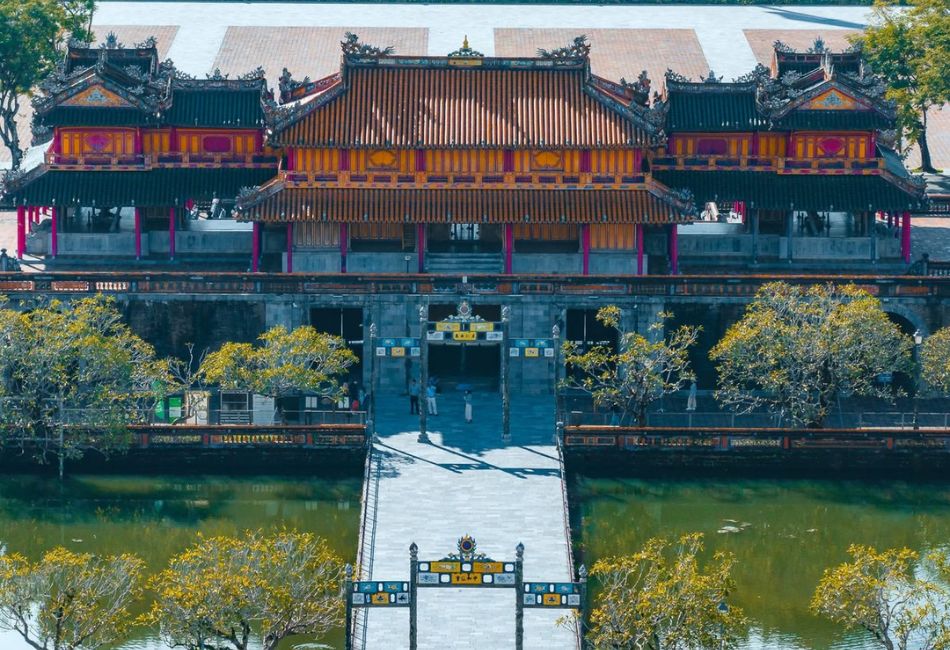
Hue’s most famous sights are famous for good reason. The Imperial City, Thien Mu Pagoda, Minh Mang Tomb, Khai Dinh Tomb and the Perfume River form the foundation of almost every first-time itinerary, and they offer an extraordinary introduction to the city’s royal and spiritual heritage. Yet Hue extends far beyond these landmarks, and some of its most memorable experiences take place in the neighbourhoods, markets and villages that do not always appear on a standard tourist map.
A hue local guide can help you move between these different worlds naturally. You might spend the morning exploring imperial architecture and then head to a traditional market, cycle through a countryside village in the afternoon and finish the day sharing local food with a family. The experience becomes less about collecting attractions and more about understanding how the different parts of Hue fit together.
1.2. Understand the Stories Behind Hue
History is everywhere in Hue, but it can sometimes feel distant when you only see monuments from the outside. The stories behind these places are what make them meaningful. Thien Mu Pagoda, for example, is not simply a beautiful temple beside the Perfume River; it is a site with centuries of religious and cultural significance and an important place in the history of Hue. The royal tombs are not simply impressive structures either. Their designs reflect the personalities, beliefs and ambitions of the emperors for whom they were built.
A hue local guide can help you connect these stories, explaining how the Imperial City, temples, royal tombs and surrounding landscapes were all part of a much larger cultural system. When you understand that context, the buildings begin to feel less like isolated monuments and more like pieces of one long and fascinating story.
2. What Makes Hue Different From Other Vietnamese Cities?
Hue has a very distinctive atmosphere. It is historic without feeling like an open-air museum, peaceful without being sleepy and traditional without being completely disconnected from modern life. The city carries the memory of the Nguyen Dynasty while continuing to evolve through local food, family traditions, farming communities and everyday life.
2.1. A City Shaped by History
Hue served as the imperial capital of Vietnam under the Nguyen Dynasty from 1802 to 1945, and this legacy continues to shape the city today. The Complex of Hue Monuments was recognized by UNESCO as a World Heritage Site in 1993, reflecting the exceptional historical and architectural value of the former imperial capital.
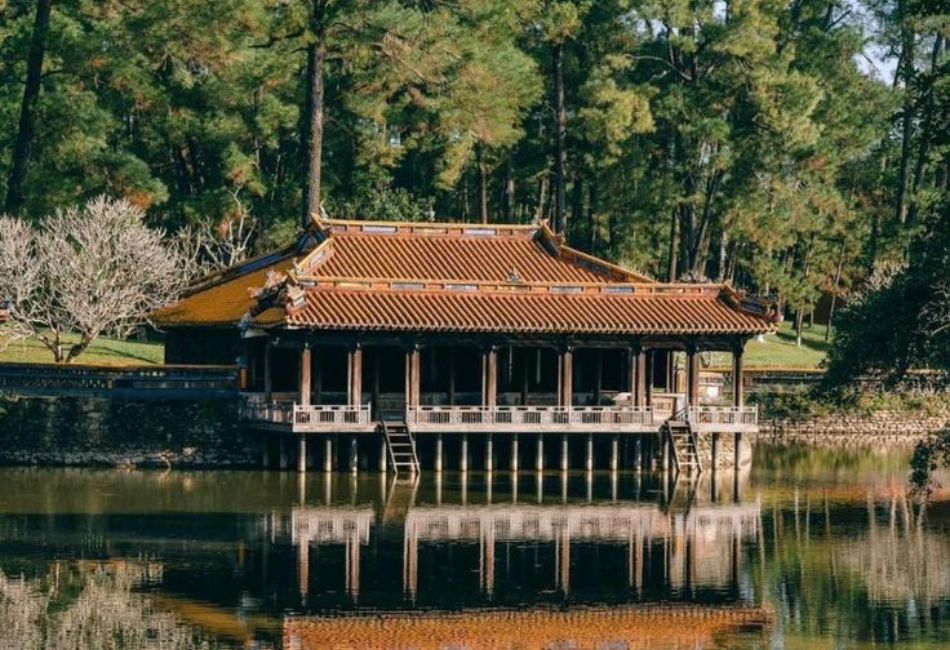
The historical landscape is not limited to the Imperial City itself. Temples, royal tombs and religious sites stretch across and beyond the city, often positioned carefully in relation to the Perfume River, surrounding hills and natural landscape. This relationship between architecture and nature is one of the reasons Hue feels different from many other destinations in Vietnam.
2.2. A Strong Food Culture
Food is one of the clearest ways to experience Hue’s identity. The city is famous for dishes such as Bún Bò Huế, Bánh Bèo, Bánh Nậm, Bánh Lọc, Bánh Khoái, Nem Lụi and a wide variety of sweet soups known as Chè. Some dishes are associated with royal culinary traditions, while others are everyday foods enjoyed by local families and young people across the city.
What makes the experience more interesting is discovering where and how people actually eat these dishes. A good hue local guide can help you look beyond tourist restaurants and understand the difference between a famous dish on a menu and the way that dish is enjoyed as part of ordinary life. Visiting a market, watching food being prepared and sharing a meal with local people can often teach you more about Hue than reading a menu ever could.
2.3. The Quiet Countryside Around Hue
One of the biggest surprises for travellers is how quickly Hue changes once you leave the centre. Roads become quieter, houses are spaced farther apart and the landscape opens into rice fields, vegetable gardens and small villages. The atmosphere feels slower, greener and much more personal.
La Chu Village is one of the places where this side of Hue can be experienced particularly well. Visitors can cycle through the village, explore local homes, discover traditional activities and spend time in gardens and farming areas. For travellers who want a break from busy sightseeing, the countryside offers a refreshing change of pace while still remaining closely connected to the culture of Hue.
3. How a Hue Local Guide Helps You Experience the City
A good hue local guide should not make your trip feel like a lecture. The most enjoyable experiences are usually conversational and flexible, with history and local knowledge naturally woven into what you are seeing and doing.
3.1. Discover the Imperial Heritage
Start with the Imperial City and allow yourself enough time to look beyond the walls, gates and courtyards. The architecture reflects the political and cultural structure of the Nguyen Dynasty, but the deeper story is about how an imperial court functioned, how people lived and worked within the royal complex and how the city was designed to reflect ideas about power, hierarchy and spirituality.
Continue to Thien Mu Pagoda for a very different atmosphere, where religious traditions and the natural landscape meet beside the Perfume River. Then visit the royal tombs and compare them with one another. Khai Dinh Tomb, with its dramatic stairways, elaborate mosaics and mixture of Eastern and European influences, feels very different from the more spacious and harmonious design of Minh Mang Tomb.
If you want to explore this side of Hue in more depth, you can link this article to Khai Dinh Tomb in Hue and Thien Mu Pagoda Hue Vietnam, where you can continue reading about two of the city’s most important historical landmarks.
3.2. Explore Local Markets and Food
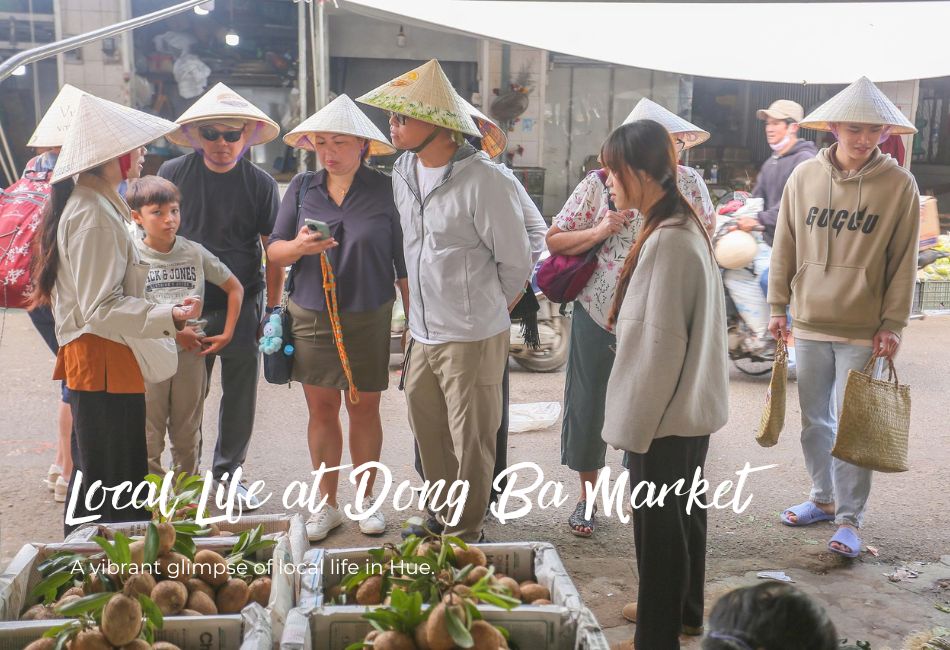
If you really want to understand a city, visit its market. A local market reveals what people eat, how they shop, which ingredients are considered important and how food changes with the seasons. In Hue, you may find baskets of herbs, leafy vegetables, fresh seafood, fruit, spices and ingredients that are unfamiliar to visitors but essential to everyday local cooking.
This is where a hue local guide can make a simple market visit much more interesting. You can ask questions, learn how different ingredients are used and even select produce that will later become part of a cooking class. Instead of simply looking at a market, you become part of the experience.
3.3. Discover La Chu Village
La Chu Village offers an opportunity to experience a quieter side of Hue without travelling far from the city. The village is surrounded by vegetable gardens, farmland and peaceful roads, and cycling is one of the best ways to appreciate the landscape because you can move slowly enough to notice the small details of everyday life.
If this kind of experience appeals to you, the Hue Countryside Tour combines a local market, village cycling, traditional activities, farming and cooking in one countryside journey. It is particularly suitable for travellers who want to step away from the standard heritage route and experience how people live outside the city centre.
3.4. Meet Local Families
Some of the most memorable moments in Hue can begin with something as simple as sitting down for tea. A local family might show you how Bánh Lọc is prepared, explain a traditional recipe or introduce you to a craft that has been passed down through generations. These encounters often provide a much more personal understanding of local culture than visiting a monument.
With a respectful hue local guide, these interactions can happen naturally. Instead of feeling like a staged cultural performance, the experience becomes an opportunity to have a genuine conversation, share a meal and see how local traditions fit into modern life.
3.5. Find Hue’s Quieter Corners
Hue has plenty of peaceful places that are easy to miss when you follow a standard itinerary. Vong Canh Hill offers beautiful views over the Perfume River and surrounding greenery, while Thuy Tien Water Park provides a completely different experience with abandoned structures hidden among trees and nature.
These locations become especially appealing in the late afternoon when the light softens and the temperature becomes more comfortable. A hue local guide who understands the area can help you choose the right route according to the season, weather and your interests rather than simply following a fixed schedule.
4. Experience Hue Like a Local
4.1. Start Your Morning at a Local Market
One of the simplest ways to begin your day is to start early and visit a traditional market. The atmosphere is completely different from the tourist areas, with vendors arranging their produce, families shopping for breakfast and fresh ingredients appearing throughout the morning. You can see vegetables, herbs, seafood, spices and local products that reveal a great deal about the region’s food culture.
If you are travelling with a hue local guide, this is a perfect opportunity to ask questions. Your guide can explain which herbs are used in Bún Bò Huế, which vegetables are seasonal and how local families choose good ingredients. The market becomes not just a place to walk through, but a place to understand.
4.2. Explore the Countryside by Bicycle
Cycling is one of the best ways to experience rural Hue because it allows you to travel at the same pace as the landscape around you. Instead of seeing the countryside through a car window, you can notice the sound of birds, the smell of gardens, farmers working in the fields and small conversations taking place along the road.
The journey becomes part of the destination itself. You can stop when something catches your attention, take photographs, greet local residents and explore small roads that are impossible to appreciate when travelling quickly. This slower pace is one of the reasons countryside cycling has become such a meaningful way to experience Hue.
4.3. Visit Madam Thu Farm
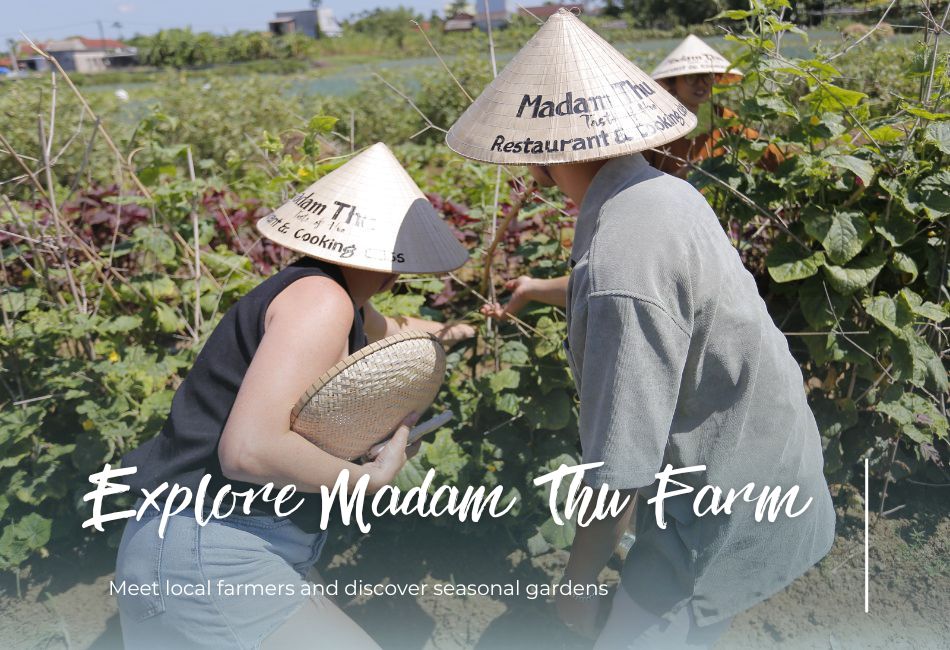
At Madam Thu Farm, visitors can get closer to the agricultural side of Hue and experience the connection between land, food and everyday life. Depending on the season, you may help harvest vegetables, water crops, prepare soil or learn how local farmers care for their gardens using simple and natural practices.
The experience becomes even more meaningful because the ingredients you collect can later be used in a cooking class. Instead of simply being told where your food comes from, you become part of the process yourself. For many travellers, this is one of the most memorable experiences a hue local guide can introduce because it combines nature, food and human connection in a very simple way.
4.4. Learn to Cook Traditional Hue Food
A cooking class offers another opportunity to experience Hue through participation rather than observation. The journey can begin at the local market, continue through the farm and end in a traditional kitchen where you prepare the ingredients with your own hands.
You might learn how to prepare Bánh Nậm, Bánh Lọc, Nem Rán or other dishes depending on the menu, while your local host explains techniques and family traditions that are often passed down informally rather than written in cookbooks. After cooking, everyone sits together to enjoy the meal, making the experience feel less like a demonstration and more like sharing an afternoon with friends.
For travellers who are especially interested in food, our Cooking Class in Hue: From Farm to Table Experience combines a countryside market, Madam Thu Farm, vegetable harvesting, hands-on cooking and a traditional herbal foot bath in one full-day experience.
4.5. Slow Down by the Perfume River
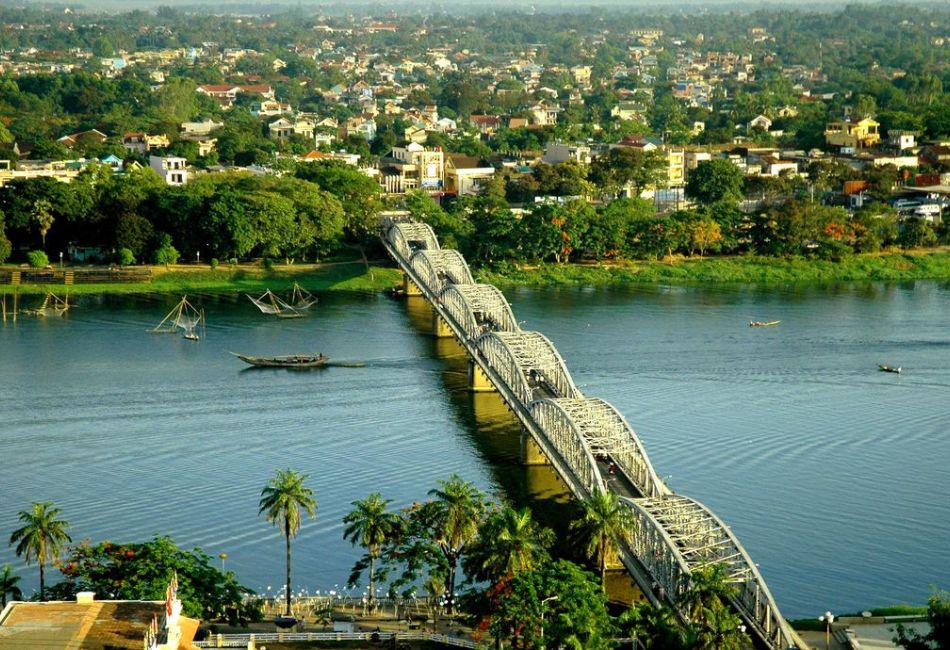
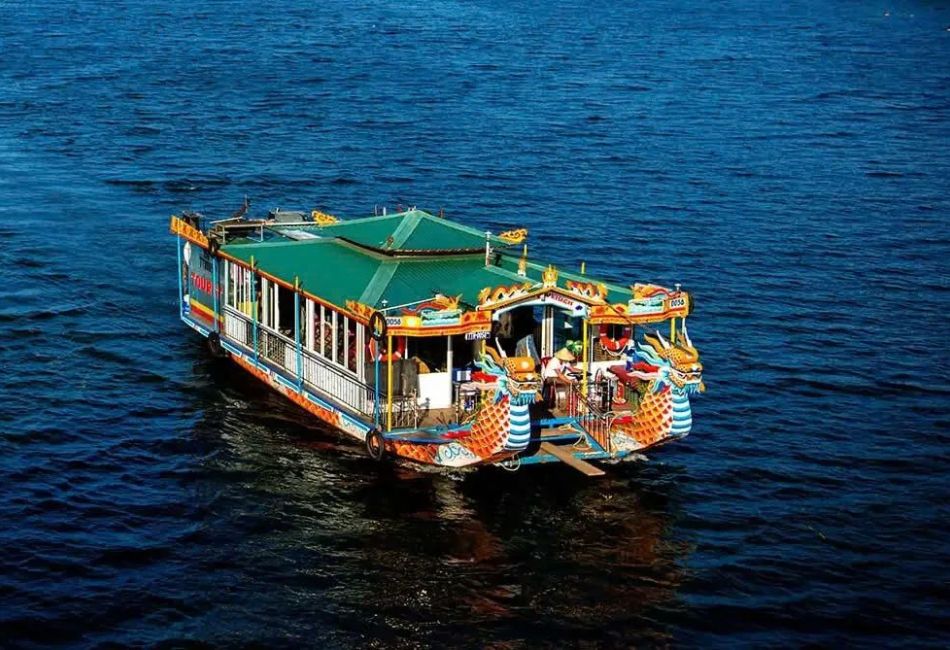
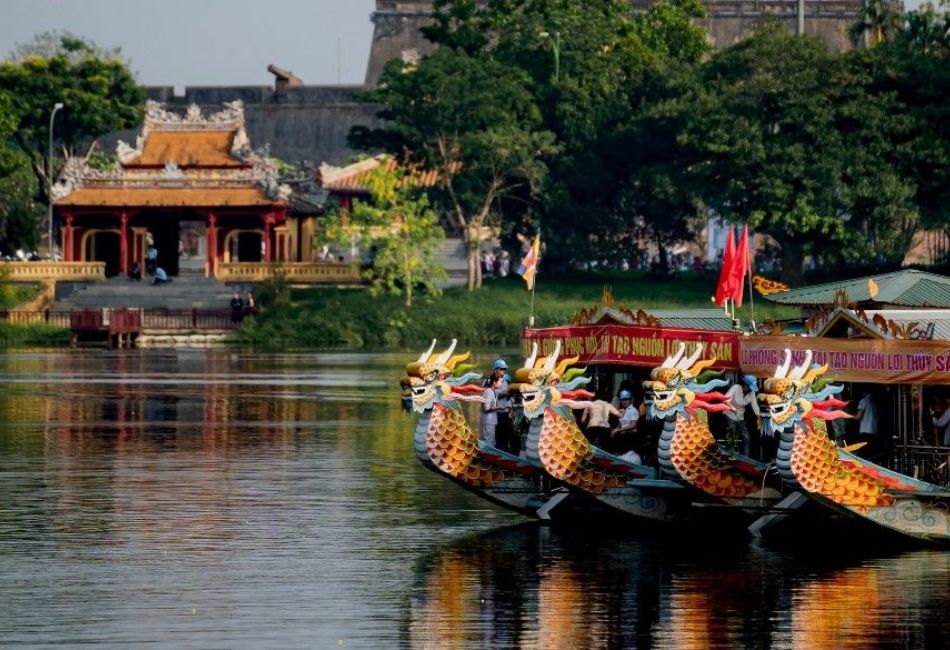
After a busy morning of sightseeing or countryside activities, spend some time beside the Perfume River. You can take a traditional dragon boat, walk along the riverbank or simply find a quiet place to sit and watch the boats move across the water.
The river is inseparable from Hue’s identity, and many of the city’s most important monuments were built in relation to this landscape. Spending time beside the river gives you the chance to slow down and appreciate the calm atmosphere that has shaped Hue for centuries.
4.6. Watch the Sunset in Hue
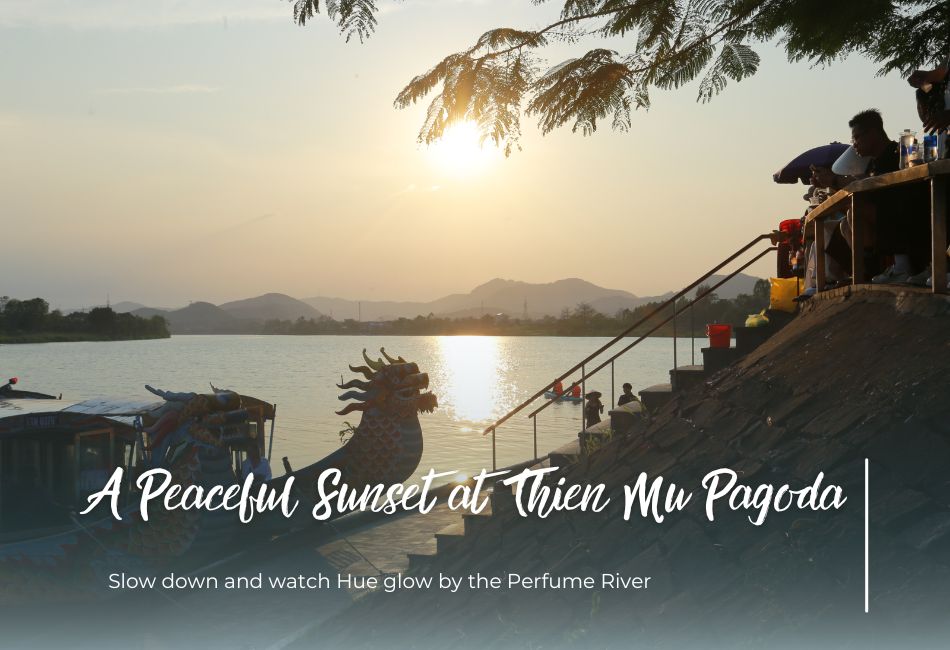
Late afternoon is one of the most beautiful times to explore Hue. The light becomes softer, the heat of the day begins to fade and the landscapes around the city take on warmer tones. A popular route is to visit Thuy Tien Water Park, continue to Vong Canh Hill and then finish near Thien Mu Pagoda as the sun sets over the Perfume River.
If you are looking for a more relaxed afternoon rather than another full day of historical sightseeing, our Hue Sunset Tour: Hidden Nature, Scenic Views & Thien Mu Pagoda combines these places with a motorbike experience and local snacks. It is a good example of how a hue local guide can help you discover a completely different side of the city after the main attractions begin to quiet down.
5. Hue Local Guide for First-Time Visitors
For first-time visitors, the biggest challenge is often not finding things to do but deciding how much to fit into the day. Hue has enough attractions to fill several days, but the experience is much more enjoyable when there is time to stop, eat, talk and simply enjoy the surroundings.
5.1. One Day in Hue
If you only have one day, focus on the essential heritage sites while keeping the itinerary realistic. A memorable route could begin with a dragon boat along the Perfume River toward Thien Mu Pagoda, followed by the Imperial City and a traditional Hue lunch. In the afternoon, continue to Minh Mang Tomb and Khai Dinh Tomb, then return to the city for dinner or an evening walk along the river.
A hue local guide can help you manage the timing, explain the historical significance of each site and adjust the pace according to your interests. If you are especially interested in photography, for example, you may want more time at certain locations, while history lovers may prefer a deeper explanation of the monuments.
5.2. Two Days in Hue
Two days allow you to experience Hue more slowly and combine history with everyday local life. Day one can focus on the Imperial City, Thien Mu Pagoda and the royal tombs, while day two takes you into the countryside.
A countryside day might begin at a local market in La Chu Village, continue with a bicycle ride through the village and a visit to Madam Thu Farm, then move into a cooking experience where you prepare traditional dishes using fresh ingredients from the market and garden. After lunch, you can relax with a herbal foot bath before returning to the city.
This combination is valuable because it shows both sides of Hue: the city of emperors and monuments, and the living communities that continue to shape its culture today. Our Hue Tour 2 Days: Historical Sites and Rural Life Experience is designed around this idea, combining imperial heritage with local countryside life.
6. How to Choose the Right Hue Local Guide
Choosing a guide is about more than finding someone who knows the names of the attractions. You want someone who can communicate clearly, understand your interests and help create a day that feels natural rather than rushed.
If you are passionate about history, look for a guide who can explain the Nguyen Dynasty, royal architecture and the cultural background behind Hue’s heritage sites. If food is your priority, choose someone who knows local markets, traditional dishes and the places where residents actually eat. If you prefer nature and outdoor experiences, look for someone familiar with cycling routes, farming communities, viewpoints and villages outside the city centre.
Language is also important, but so is personality. The best hue local guide should be willing to listen, answer questions and adapt the experience when possible. Perhaps you want to spend extra time taking photographs, stop at a local food stall that catches your attention or slow down for a conversation with a family you meet along the way. Flexibility can make the difference between a good tour and a genuinely memorable one.
7. Why Local Experiences Make a Better Trip
There is a difference between seeing a place and experiencing it. You can take a photograph of a rice field without ever speaking to the farmer who works there. You can eat Bún Bò Huế without knowing which herbs create its aroma. You can walk through the Imperial City without understanding the people who once lived and worked within its walls.
Local experiences close that gap.
They allow you to participate rather than simply observe. You learn where ingredients come from before you taste them, hear stories from people who live in the places you visit and discover how traditions continue to evolve in modern life.
This is why a hue local guide can be especially valuable for travellers who have already seen the main landmarks and want something deeper. The most memorable moments are often not the largest attractions. They can be the smell of herbs at a market, the feeling of cycling through a village, the sound of a temple bell across the river, a conversation over tea or the first taste of a meal that you helped prepare yourself.
Those moments may seem small, but together they create a much stronger connection with the destination.
Conclusion
A hue local guide can help you see the city as more than a collection of historical landmarks. Hue’s Imperial City, royal tombs and temples tell the story of a powerful dynasty and an important period of Vietnamese history, but the city’s identity continues through its markets, food, villages, farms and families.
With local knowledge, a single day can become a journey through several different sides of Hue. You might begin beside the Perfume River, walk through an ancient imperial complex, sit down for a bowl of traditional noodles, cycle through a village, harvest vegetables and finish the afternoon watching the sun fade over the countryside.
That is what makes travelling with a hue local guide so rewarding. You do not simply move from one attraction to the next; you begin to understand how history, food, nature and everyday life are connected. You leave with more than photographs of famous places. You leave with flavours, stories, conversations and a deeper appreciation of what makes Hue one of Vietnam’s most distinctive destinations.
Recent Posts

How to Get Thien Mu Pagoda: Complete Hue Travel Guide
Incense Making Village Hue: Discover the Traditional Craft of Thuy Xuan