Hue Royal Cuisine: Discover the Elegant Flavours of Vietnam’s Imperial Capital
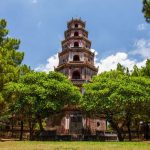
When people talk about Hue, they often think of the Imperial Citadel, royal tombs, Thien Mu Pagoda and the peaceful Perfume River. But there is another part of Hue’s heritage that is just as fascinating and perhaps even more delicious: hue royal cuisine.
Developed within the imperial court of the Nguyen Dynasty, hue royal cuisine was shaped by a culture that valued not only taste, but also presentation, balance, symbolism and careful preparation. Food served to the royal family was expected to satisfy many senses at once, and this tradition helped create a culinary identity that remains closely associated with Hue today.
However, hue royal cuisine should not be understood simply as expensive food served in a palace. Its influence can still be found in traditional Hue dishes enjoyed by local families, in the way food is beautifully arranged, in the delicate flavours of many recipes and in the careful attention given to even simple ingredients.
For travellers who want to understand Hue beyond its monuments, exploring its food culture is one of the most rewarding things to do. A meal can tell you about history, social traditions, family life and the character of the former imperial capital in a way that a sightseeing itinerary alone cannot.
1. What Is Hue Royal Cuisine?
Hue royal cuisine refers to the culinary traditions associated with the Nguyen Dynasty and the former imperial court of Hue. During the period when Hue served as Vietnam’s capital, food prepared for the royal family followed particular standards of quality, presentation and preparation.
Meals served in the court were not simply about satisfying hunger. Food was part of the culture of the palace, and dishes could reflect status, ceremony, seasonal traditions and the careful organisation of court life.
The culinary traditions developed in this environment eventually influenced the wider food culture of Hue. Some recipes remained closely connected to ceremonial cuisine, while others gradually became part of everyday cooking.
This is one of the reasons Hue’s food culture is so interesting today. You can see traces of imperial traditions in dishes that are now available in ordinary restaurants and family kitchens.
1.1. The Origins of Hue Royal Cuisine
The development of hue royal cuisine is closely connected to the establishment of Hue as the imperial capital of the Nguyen Dynasty in the early nineteenth century.
When the Nguyen Dynasty established its capital in Hue, the city became the centre of political and cultural life. Food preparation within the court developed into a highly organised tradition, with dishes prepared according to strict expectations.
Ingredients were carefully selected, cooking methods were refined and dishes were presented with great attention to detail.
According to historical accounts of Nguyen court life, palace meals could involve numerous dishes, with different preparations and ingredients reflecting the complexity of court cuisine. The food was expected to be visually attractive as well as carefully balanced in flavour.
Over time, some of these culinary ideas moved beyond the palace and into the kitchens of Hue’s wider community.
1.2. Food and Culture in the Nguyen Dynasty
Food was closely connected with status and ceremony in the imperial court.
A royal meal was very different from an ordinary household meal, but both were influenced by the same regional environment. Hue’s gardens, rivers, farmland and agricultural communities provided the ingredients that formed the foundation of the local cuisine.
The result was a culinary tradition that combined sophisticated presentation with ingredients that were often surprisingly simple.
This combination continues to define hue royal cuisine today. A dish does not necessarily need rare or expensive ingredients to feel refined. Careful preparation, attractive presentation and balance can transform familiar ingredients into something memorable.
2. What Makes Hue Royal Cuisine Different?
The easiest way to understand hue royal cuisine is to look at the details.
Hue food is often associated with smaller portions, refined presentation and flavours that are carefully balanced rather than overwhelmingly strong.
2.1. Presentation and Aesthetics
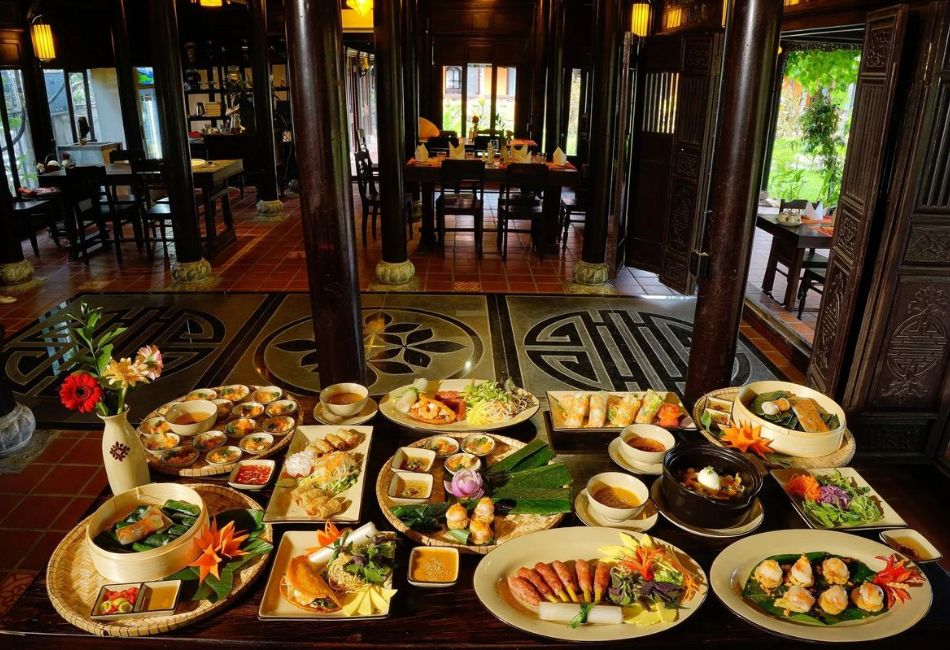
Presentation is one of the most recognisable features of hue royal cuisine.
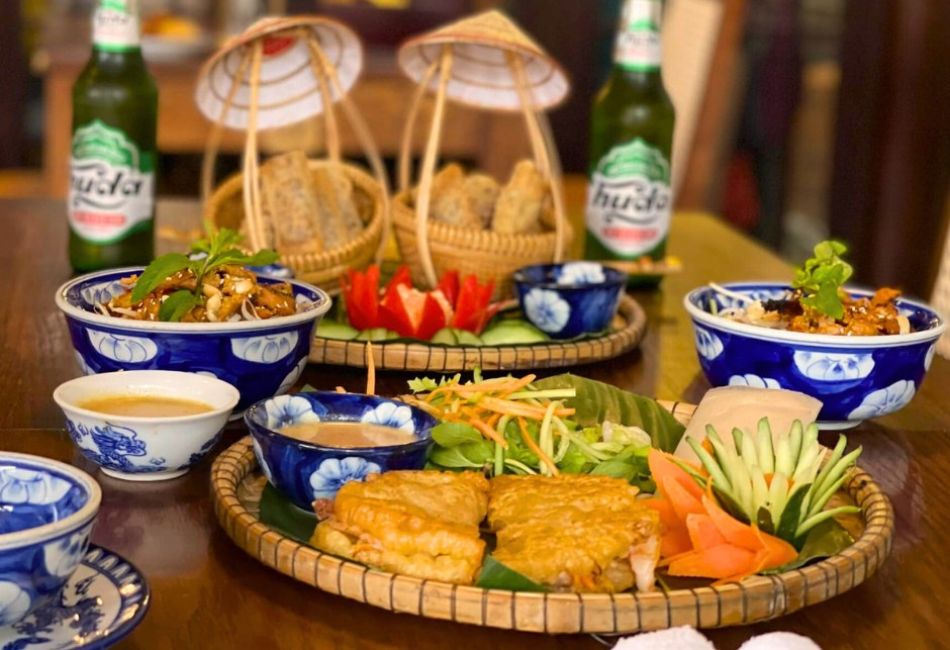
Food may be arranged with considerable care, using banana leaves, herbs, vegetables and carved garnishes to create an attractive appearance.
Colours also matter.
Green herbs, red chilli, golden fried elements and pale rice cakes can be arranged to create a visually balanced plate.
This attention to appearance reflects the traditional idea that a meal should be enjoyed with the eyes as well as the palate.
2.2. Balance of Flavours
Hue cuisine is famous for its complex balance of salty, sweet, sour, spicy and aromatic flavours.
Instead of making one flavour dominate completely, many dishes combine several elements in a controlled way.
A bowl of Bún Bò Huế, for example, may bring together a rich broth, aromatic herbs, chilli, lemongrass and savoury ingredients.
Traditional dipping sauces and condiments also play an important role.
The diner can adjust the balance according to personal taste, creating a meal that changes from one bite to the next.
2.3. Seasonal Ingredients
Traditional hue royal cuisine also reflects the importance of seasonality.
Fresh vegetables, herbs and local produce have always played a major role in Hue cooking. The surrounding countryside provides a wide variety of ingredients that can be harvested according to the season.
This connection with agriculture is still visible today.
Visit a local market in Hue and you will find an impressive range of vegetables, herbs, fruits and fresh ingredients used in everyday cooking.
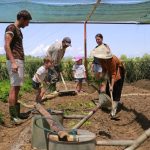
For travellers interested in the connection between food and farming, this is one of the most interesting parts of Hue’s culinary culture.
2.4. Attention to Detail
Many traditional Hue dishes require patience.
Rice cakes may need to be wrapped carefully in banana leaves. Ingredients are prepared in small quantities. Herbs are washed and arranged carefully. Dipping sauces are mixed to create a precise balance.
These details may seem simple, but they are part of what gives Hue food its distinctive character.
The philosophy behind hue royal cuisine is not always about complexity. Often, it is about taking enough time to prepare simple ingredients well.
3. Famous Dishes Connected to Hue Royal Cuisine
One of the easiest ways to understand hue royal cuisine is through the dishes themselves.
Some were traditionally associated with refined and ceremonial cooking, while others became popular among ordinary residents and are now considered iconic Hue street foods.
3.1. Bánh Bèo
Bánh Bèo is one of the most recognisable traditional Hue dishes.
These small steamed rice cakes are usually served in individual portions and topped with ingredients such as dried shrimp, crispy pork skin or scallion oil.
Their small size and careful presentation are typical of the refined style associated with hue royal cuisine.
The dish is simple, but its texture, toppings and dipping sauce need to work together.
For many visitors, eating Bánh Bèo in Hue is one of the easiest ways to start exploring the city’s culinary heritage.
3.2. Bánh Nậm
Bánh Nậm is a soft steamed rice cake traditionally wrapped in banana leaves.
Inside the thin layer of rice flour is a savoury filling, commonly made with shrimp and pork.
The banana leaf gives the dish a gentle aroma, while the soft texture and delicate filling create a very different experience from fried or grilled foods.
Bánh Nậm illustrates how traditional Hue cooking can transform a small number of basic ingredients into a dish that feels both elegant and comforting.
3.3. Bánh Lọc
Bánh Lọc, often known as Bánh Bột Lọc, is another iconic Hue dish.
The translucent tapioca wrapper contains a filling such as shrimp and pork, and the dumplings may be steamed or boiled before being served with a savoury dipping sauce.
The preparation requires attention and patience, particularly when shaping the small dumplings.
This craftsmanship is one reason the dish is often associated with the careful culinary traditions of Hue.
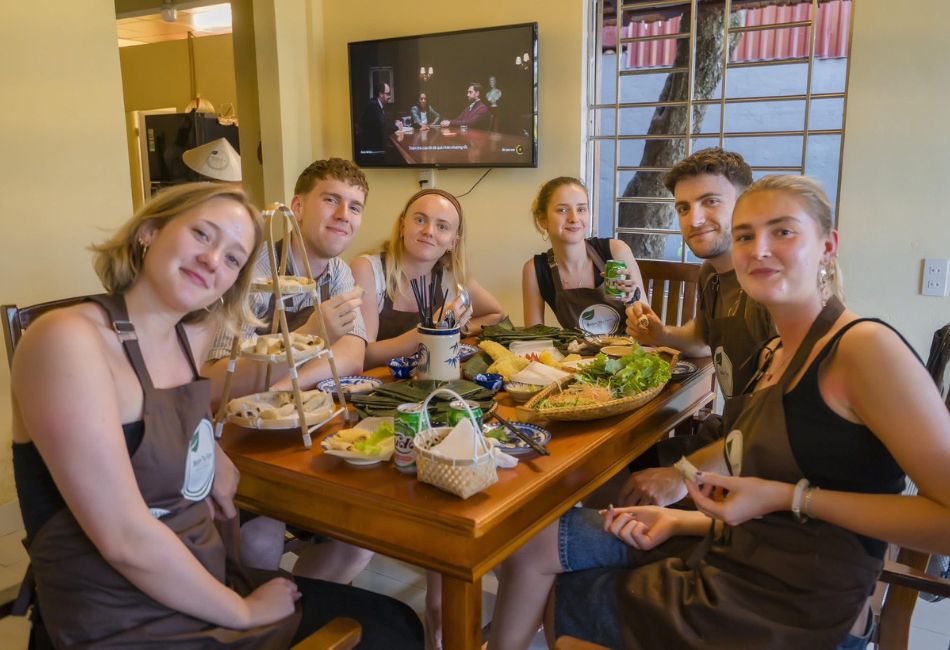
Visitors who want a more personal experience can even learn to make Bánh Lọc during a local cooking class.
3.4. Bánh Khoái
Bánh Khoái is sometimes compared with Bánh Xèo because of its crispy appearance, but the two dishes are quite different.
The Hue version is usually smaller and thicker, with a crisp exterior and fillings that may include shrimp, pork and bean sprouts.
It is often enjoyed with a rich dipping sauce that adds another layer of flavour.
The combination of texture, colour and presentation reflects the broader philosophy behind hue royal cuisine, where the eating experience is carefully balanced.
3.5. Nem Lụi
Nem Lụi is made from seasoned pork that is shaped around bamboo skewers and grilled over charcoal.
The smoky aroma is one of its most appealing characteristics.
The grilled meat is often served with fresh herbs, rice paper and a rich dipping sauce.
Eating Nem Lụi is interactive and social, making it especially popular among younger local diners and visitors who enjoy trying traditional food in a casual setting.
3.6. Chè Huế
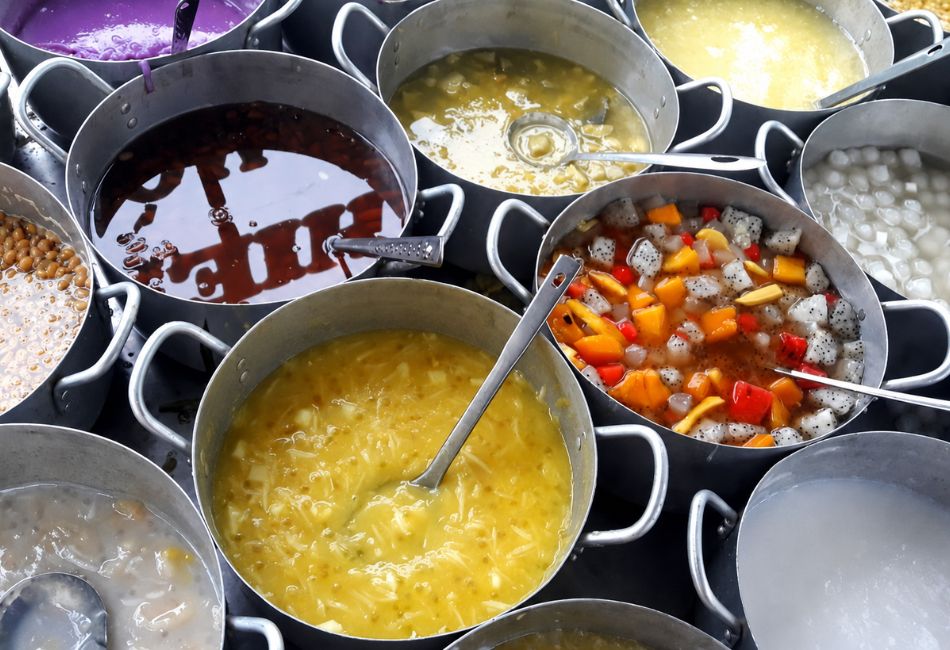
Hue is also famous for its sweet soups, collectively known as Chè.
There are many varieties, ranging from simple preparations with beans and coconut milk to more elaborate combinations containing colourful ingredients and fragrant toppings.
Some varieties were historically associated with palace cooking and ceremonial presentation, while others became everyday desserts.
Today, Chè is an important part of Hue’s culinary identity and a delicious way to finish a meal.
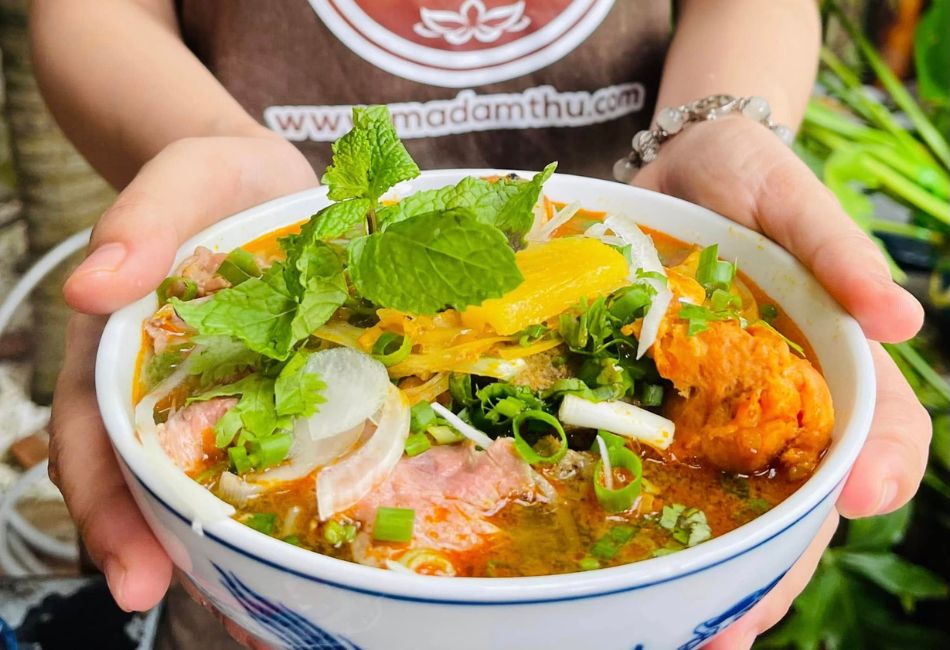
4. Royal Cuisine and Everyday Hue Food
One of the most fascinating things about hue royal cuisine is how closely it is connected with ordinary local food.
The palace and the local community existed within the same region, using many of the same agricultural products and culinary traditions.
Over time, dishes and techniques that were once associated with the royal environment could become part of ordinary family cooking.
This does not mean that modern street food is identical to what was served in the imperial court. Instead, it means that some ideas-attention to presentation, careful preparation, balanced flavours and the use of fresh local ingredients-continue to influence Hue cuisine.
This connection between royal and everyday food makes Hue especially interesting for food travellers.
A visitor can eat a simple bowl of noodles in the morning, try traditional steamed cakes at a local market and later experience a carefully prepared meal inspired by imperial traditions.
The two worlds are different, but they remain connected.
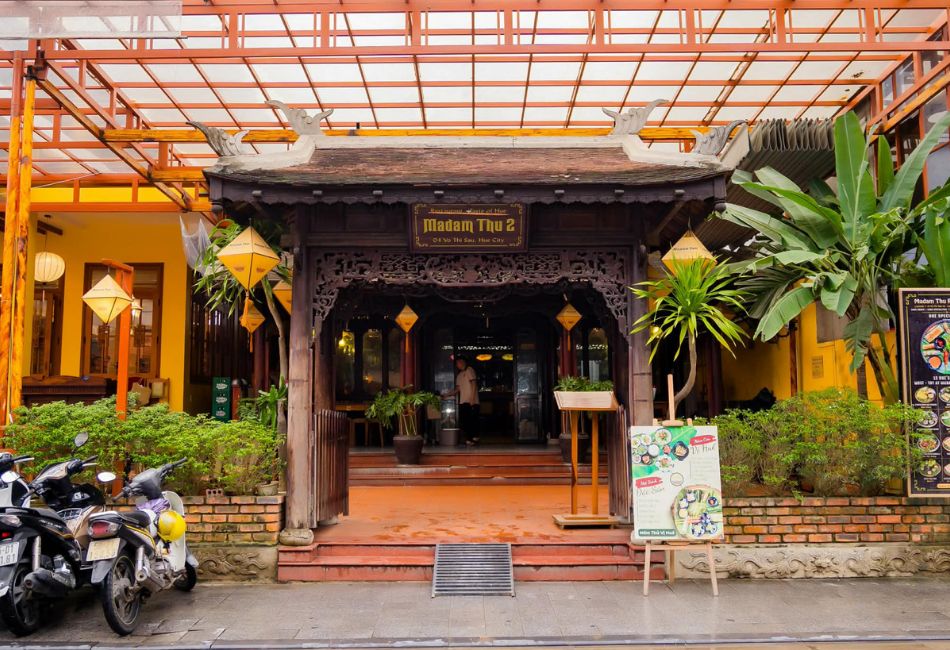
5. Where to Experience Hue Royal Cuisine
There are many ways to explore hue royal cuisine, and each offers a different perspective.

Recent Posts

How to Get Thien Mu Pagoda: Complete Hue Travel Guide
Incense Making Village Hue: Discover the Traditional Craft of Thuy Xuan