
What Is Hue Famous For? A Complete Guide to the History, Food and Culture of Hue
If you are wondering what is Hue famous for, the answer is much richer than the Imperial City alone. Hue is famous for its royal heritage, ancient temples, elegant architecture, traditional food, the Perfume River and the peaceful countryside that surrounds the former imperial capital. It is a city where history is not separated from everyday life; instead, ancient monuments, local markets, family kitchens, Buddhist traditions and rural communities continue to exist alongside one another.
For centuries, Hue has held a special place in Vietnamese history. It became the imperial capital of the Nguyen Dynasty in the early nineteenth century and remained the political, cultural and religious centre of Vietnam until 1945. Today, the legacy of that period can be seen throughout the city, from the Imperial City and royal tombs to temples, gardens and historic houses. UNESCO recognizes the Complex of Hue Monuments as a World Heritage Site, reflecting the importance of the city’s architectural and cultural landscape.
But asking what is Hue famous for also means looking beyond history. Hue is equally famous for its food. Bún Bò Huế, Bánh Bèo, Bánh Nậm, Bánh Lọc, Bánh Khoái, Nem Lụi and Chè are only some of the dishes associated with the city. The cuisine reflects both the refinement of the former royal court and the everyday cooking traditions of local families, creating a food culture that feels sophisticated but remains deeply connected to ordinary life.
Then there is the landscape. The Perfume River runs through the heart of the city, while peaceful villages, vegetable gardens and rice fields begin only a short distance from the centre. This combination of imperial history, food, spirituality, nature and local life is what makes Hue different from many other destinations in Vietnam. If you are planning a trip and searching for what is Hue famous for, this guide explores the experiences and places that best explain the city’s identity.
1. What Is Hue Famous For?
To answer what is Hue famous for in the simplest way, you could say history, food and culture. But each of these categories contains a much larger story.
Hue is most famous for being Vietnam’s former imperial capital, and the city’s royal heritage remains its most visible identity. The Imperial City, royal tombs and historic temples give Hue a distinctive architectural character that few other Vietnamese cities can match. At the same time, Hue is famous for its refined regional cuisine, particularly dishes that combine delicate preparation with strong, aromatic flavours.
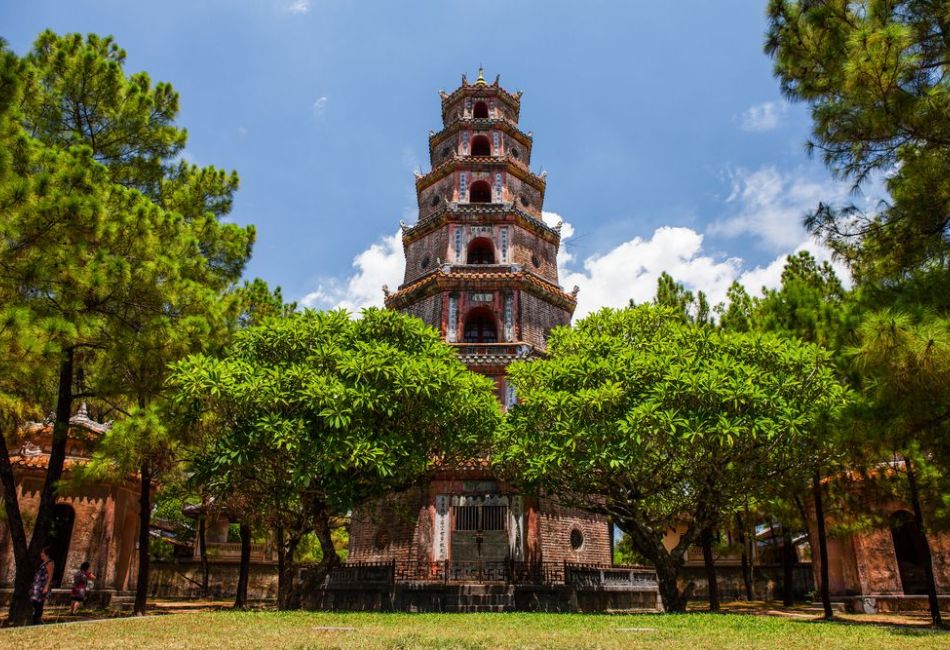
The city is also known for its spiritual atmosphere. Thien Mu Pagoda overlooking the Perfume River has become one of Hue’s most recognizable symbols, while Buddhist traditions remain deeply woven into local life and beyond the historical centre, Hue is famous for its quieter side: green villages, vegetable gardens, rice fields and local communities where visitors can experience a slower rhythm of life.
Understanding what is Hue famous for therefore means exploring several connected layers rather than looking for just one landmark.
1.1. Imperial History
Hue became the capital of Vietnam under the Nguyen Dynasty in 1802, when Emperor Gia Long established the new imperial centre in the city. The Nguyen Dynasty remained in power until 1945, leaving behind an extraordinary collection of monuments and cultural traditions.
This history is one of the first things people think of when asking what is Hue famous for. The city was designed as more than a political centre. Its location, architecture and surrounding landscape were carefully chosen, with the Perfume River, mountains and natural environment forming an important part of the imperial setting.
Today, visitors can walk through the former royal capital and see gates, palaces, temples, gardens and ceremonial spaces that once formed the heart of imperial life.
1.2. Royal Architecture
Hue is also famous for the way architecture and nature are combined. The Imperial City forms the central part of the historic complex, while royal tombs spread across the countryside surrounding the city. Each tomb has its own personality and design.
Minh Mang Tomb is known for its harmony, symmetry and landscaped setting. Tu Duc Tomb has a quieter, more poetic atmosphere associated with the emperor’s personal life and tastes. Khai Dinh Tomb is dramatically different, featuring elaborate decoration and a striking combination of Vietnamese and European architectural influences. This variety is one of the reasons what is Hue famous for cannot be answered with only the Imperial City. The royal tombs tell a much broader story about the personalities, beliefs and ambitions of the Nguyen emperors.
1.3. Traditional Hue Cuisine
Food is another major answer to the question what is Hue famous for. Hue cuisine has developed under the influence of both royal culinary traditions and ordinary household cooking. The result is a food culture known for detailed preparation, careful presentation, strong aromatic flavours and a remarkable variety of small dishes. Some dishes are associated with palace cuisine, while others are everyday foods enjoyed across the city. What connects them is an emphasis on balance and attention to ingredients. Visitors can spend an entire day exploring Hue through food, beginning with a bowl of Bún Bò Huế in the morning, trying Bánh Bèo or Bánh Nậm later in the day, and ending with a bowl of Chè.
1.4. The Perfume River
The Perfume River is another defining feature of Hue. Running through the city, the river connects many of Hue’s most important landmarks and contributes to the peaceful atmosphere that makes the city so memorable. Its banks provide scenic views, walking areas and opportunities for traditional dragon boat trips.
A classic way to experience Hue is to take a dragon boat along the river toward Thien Mu Pagoda. Seeing the temple tower rise above the trees as the boat approaches gives you a very different perspective from arriving by road. The river is not simply a scenic attraction. It is part of the historical and cultural landscape that has shaped Hue for centuries.
1.5. Buddhist Culture and Spiritual Heritage
Hue has a strong spiritual identity, and this is another important part of understanding what is Hue famous for. Thien Mu Pagoda, established in 1601, is one of the city’s most important religious landmarks. Its seven-storey Phuoc Duyen Tower has become a symbol of Hue and one of the most photographed structures in central Vietnam.
Throughout the city and countryside, visitors can also find smaller temples, pagodas and communal houses that remain connected to local traditions. The peaceful atmosphere around these places is part of what gives Hue a character that feels distinctly different from larger and faster-paced Vietnamese cities.
2. What Is Hue Famous For in History?
If you are primarily interested in history, Hue offers enough to fill several days. The city’s heritage is not limited to one monument. Instead, it forms a network of connected sites that reveal different aspects of imperial life.
2.1. The Nguyen Dynasty
The Nguyen Dynasty was Vietnam’s last imperial dynasty, ruling from 1802 to 1945. During this period, Hue became the centre of the country’s political and cultural life. The dynasty left behind the Imperial City, royal tombs, temples and other monuments that continue to shape the city’s identity today. Learning about the Nguyen Dynasty also helps explain why Hue’s architecture is so different from other Vietnamese destinations. Many buildings were designed according to imperial ideas about hierarchy, symbolism, geography and spirituality.
For travellers wondering what is Hue famous for, the Nguyen Dynasty is the historical foundation behind almost everything they will see.
2.2. Hue Imperial City
The Imperial City is probably the single most famous answer to what is Hue famous for. Located within the larger Citadel, the Imperial City once housed the emperor, royal family, court officials and ceremonial spaces. Visitors can pass through historic gates and explore courtyards, temples and surviving structures that reveal the scale of the former imperial capital.
The site is especially interesting when explored slowly. Rather than simply taking photographs of the buildings, pay attention to the layout, the symbolism and the relationship between different parts of the complex. For first-time visitors, the Imperial City provides the essential introduction to Hue’s royal history.
2.3. The Royal Tombs
The Nguyen Dynasty emperors built elaborate tomb complexes outside the city, often choosing landscapes with hills, lakes, gardens and natural beauty. These tombs were designed as more than burial places. They were spaces where emperors could spend time during their lives and prepare for the afterlife.
Khai Dinh Tomb is particularly striking for its dramatic architecture, steep staircases and colourful mosaics. Minh Mang Tomb feels more serene and balanced, while Tu Duc Tomb has a more intimate and reflective atmosphere. Visiting several tombs together is a good way to understand the diversity of Hue’s imperial architecture
3. What Is Hue Famous For in Food?
For many travellers, the answer to what is Hue famous for eventually becomes food. Hue cuisine is one of the strongest reasons to visit the city because it offers a remarkable range of flavours and textures within a relatively small culinary region.
3.1. Bún Bò Huế
Bún Bò Huế is arguably the city’s most famous dish. The rich broth is typically prepared with beef and pork bones, lemongrass, chilli and other aromatic ingredients, while toppings can include beef, pork hock and crab cake depending on the restaurant.
The combination is rich, spicy and deeply fragrant, but fresh herbs and vegetables help balance the intensity. The best way to understand the dish is to eat it in Hue itself, where it remains part of everyday local food culture rather than simply being a famous dish for tourists.
3.2. Bánh Bèo, Bánh Nậm and Bánh Lọc
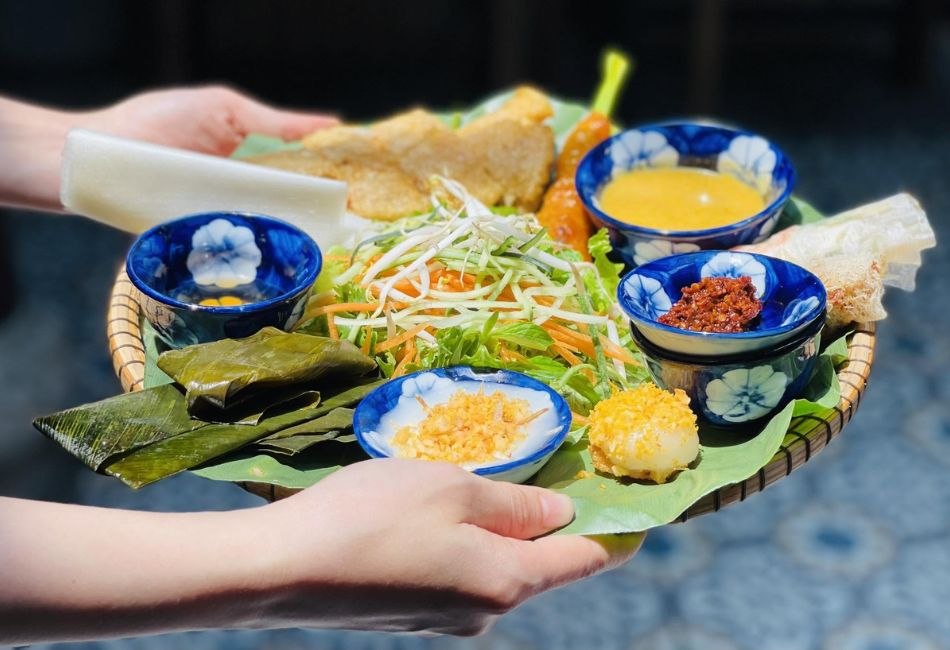
These small rice-based dishes are another essential part of Hue food culture. Bánh Bèo consists of small steamed rice cakes served with toppings and dipping sauce. Bánh Nậm is a soft rice cake wrapped in banana leaves, often filled with shrimp and pork. Bánh Lọc is made with translucent tapioca dough and commonly filled with shrimp and pork. Their small size and careful preparation are often associated with the refined character of Hue cuisine, making them interesting examples of how local food can be both simple and elegant.
3.3. Bánh Khoái and Nem Lụi
Bánh Khoái is a crispy Hue-style pancake that is often compared with Bánh Xèo, although the texture, shape and accompanying sauce are different. It is usually served with fillings such as shrimp, pork and bean sprouts and is eaten with fresh herbs and dipping sauce.
Nem Lụi consists of grilled seasoned pork served with herbs, rice paper and a rich sauce. Eating it is interactive and social, which makes it particularly enjoyable for groups and travellers trying Hue street food for the first time.
3.4. Chè Huế and Local Desserts
Hue is also famous for Chè, a broad family of sweet soups and desserts made with beans, fruit, coconut milk, tapioca and other ingredients. Some varieties are simple and refreshing, while others are colourful and elaborate. Chè is especially enjoyable in the afternoon or after a meal when you want something light and sweet.
For travellers exploring what is Hue famous for, Chè offers an introduction to the sweeter and more playful side of the city’s food culture.
3.5. Hue Royal Cuisine
Hue is famous not only for street food but also for royal cuisine.
Food associated with the Nguyen court placed strong emphasis on presentation, balance, colour and preparation. Although today’s restaurants do not simply recreate palace meals exactly as they were served historically, traces of those culinary traditions remain in the careful presentation of certain dishes and the importance given to texture and flavour.
This connection between royal food and everyday cooking is one of the most fascinating aspects of Hue’s culinary identity.
For travellers interested in this side of the city, a Cooking Class in Hue: From Farm to Table Experience can be a useful way to understand how local ingredients become traditional dishes.

4. What Is Hue Famous For Beyond the City Centre?
One of the biggest surprises for first-time visitors is how quickly the atmosphere changes when they leave the centre.
Just a short journey from the historic sites, you can find gardens, villages, farms and quiet roads where daily life continues at a much slower pace.
4.1. La Chu Village
La Chu Village offers a peaceful introduction to rural Hue.
The village is surrounded by vegetable gardens and agricultural land, with narrow roads that are perfect for cycling. Visitors can meet local families, see farming activities and learn about traditions that are still part of everyday life.
For travellers who have already explored the Imperial City, spending a day in La Chu provides a completely different perspective on the destination.
Our Hue Countryside Tour combines local markets, village cycling, farming activities and cooking to give visitors a deeper experience of rural Hue.
4.2. Local Markets and Farming
Markets provide another important answer to the question what is Hue famous for, because they reveal the relationship between the city and the countryside.
Fresh herbs, vegetables, spices and seasonal produce travel from farms and villages into markets and eventually into local kitchens.
Visiting a market with a guide can help you understand what you are looking at and how different ingredients are used in Hue cuisine.
For travellers interested in farm-to-table experiences, this connection between agriculture and food is one of the most rewarding things to discover.
4.3. Madam Thu Farm
Madam Thu Farm is one place where visitors can experience that connection directly.
Guests can walk through the gardens, harvest seasonal vegetables and learn about farming practices before using fresh ingredients in a cooking experience.
The idea is simple but powerful: instead of beginning with a finished meal, you begin with the land, the garden and the local market.
This makes the farm especially appealing to families, food lovers and travellers who want a more interactive experience.
4.4. Countryside Cycling
Cycling through the countryside is another wonderful way to discover Hue beyond the main attractions.
At a slower speed, you can notice details that are easy to miss by car: farmers working in gardens, children cycling home, small houses, quiet roads and fields changing with the seasons.
The journey becomes part of the experience, and the landscape feels much more personal.
5. What Is Hue Famous For at Sunset?
When considering what is Hue famous for, sunset may not be the first thing that comes to mind, but late afternoon reveals another beautiful side of the city.
Vong Canh Hill offers panoramic views over the Perfume River, surrounding hills and countryside. The area becomes particularly atmospheric as the light becomes warmer and the landscape gradually changes colour.
Thuy Tien Water Park provides a completely different sunset experience. The abandoned structures hidden among trees create a mysterious atmosphere that contrasts with the peaceful landscape around them.
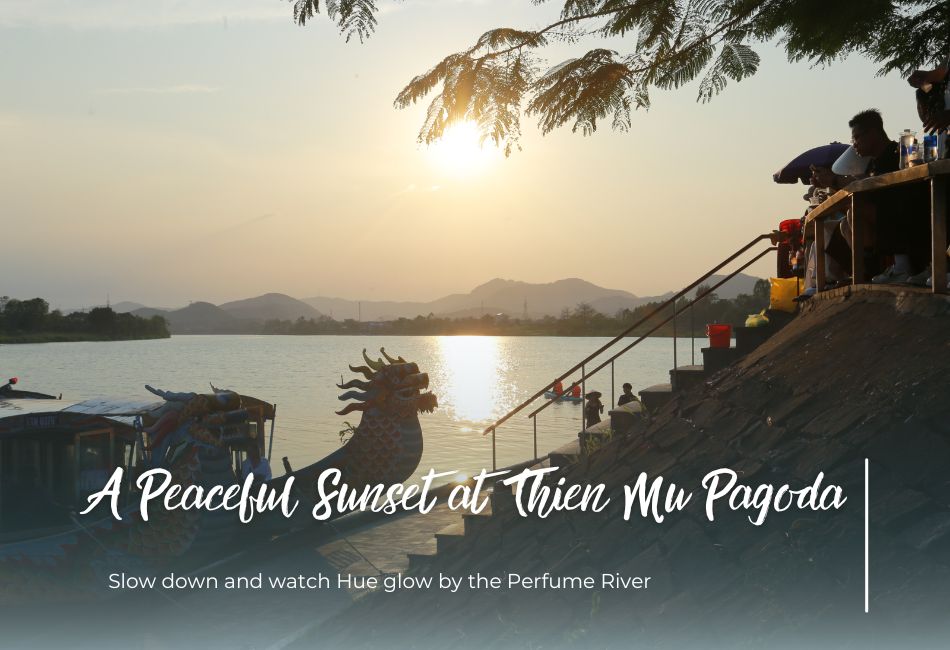
The day can finish at Thien Mu Pagoda, where visitors can watch the evening light over the Perfume River.
For travellers who want to experience this side of the city, the Hue Sunset Tour: Hidden Nature, Scenic Views & Thien Mu Pagoda combines these places into a relaxed afternoon journey.
6. How to Experience What Hue Is Famous For
The best way to understand what is Hue famous for is not to try to see everything in a single day. Instead, combine different experiences so that you can see how the city’s history, food and everyday life are connected.
A classic heritage day might begin with a dragon boat ride along the Perfume River toward Thien Mu Pagoda, followed by the Imperial City and a traditional Hue lunch before continuing to the royal tombs.
Another day could be completely different, beginning with a countryside market, continuing by bicycle to Madam Thu Farm and ending with a cooking class and a herbal foot bath. This combination works because it allows you to experience both the Hue of emperors and the Hue of ordinary families.
For visitors with two days, the Hue Tour 2 Days: Historical Sites and Rural Life Experience combines royal landmarks with countryside activities in La Chu Village.
The contrast between the two days often becomes one of the most memorable parts of the trip.
7. How Many Days Do You Need in Hue?
One day is enough to see the main highlights, but two days allow you to experience much more.
With one day, you can explore the Imperial City, visit Thien Mu Pagoda, see one or two royal tombs and enjoy traditional local food. The itinerary will be busy, but you can still get a strong introduction to Hue.
With two days, you can slow down and divide your trip into two themes. One day can focus on imperial history, while the second explores the countryside, local markets, farming and cooking. Three days or more give you even greater flexibility. You can add more royal tombs, spend time exploring local food, take a sunset tour or simply enjoy the slower pace of Hue without rushing between attractions.
The ideal length depends on your interests, but travellers who want to understand what is Hue famous for beyond the most famous landmarks will benefit from staying at least two days.
8. Is Hue Worth Visiting?
For travellers who enjoy history, food and culture, Hue offers a depth that is difficult to find in a single destination.
Its royal heritage is visually impressive, but the city becomes even more interesting when you move beyond the monuments. Local food introduces you to the flavours of central Vietnam, the Perfume River provides a peaceful connection through the city, and the countryside offers opportunities to meet people and experience traditions that continue today.
What is especially appealing is that Hue does not require you to choose between culture and relaxation. You can spend the morning exploring a UNESCO-listed monument and the afternoon cycling through a quiet village. You can enjoy a sophisticated historical tour and then eat a simple bowl of Bún Bò Huế at a local restaurant. That combination gives Hue a character of its own.
Conclusion
So, what is Hue famous for? It is famous for the Imperial City and the legacy of Vietnam’s last imperial dynasty, for royal tombs and ancient temples, for the graceful Perfume River and the spiritual atmosphere of Thien Mu Pagoda. It is famous for Bún Bò Huế, Bánh Bèo, Bánh Nậm, Bánh Lọc, Chè and a culinary culture shaped by both royal traditions and everyday family life.
But Hue is also famous for something less obvious: its ability to slow you down. Beyond the monuments are local markets, vegetable gardens, quiet village roads and family kitchens where traditions continue naturally. You can leave the city centre, cycle through La Chu Village, harvest vegetables at Madam Thu Farm, learn how to cook a traditional Hue dish and sit down with local people to enjoy the meal together.
Perhaps that is the best answer to the question what is Hue famous for. Hue is famous for its history, but its greatest strength is the way that history continues to live through food, architecture, landscape and people. Come for the Imperial City, stay for the flavours, the river and the countryside, and leave with a much deeper understanding of what makes Hue one of Vietnam’s most distinctive destinations.

Recent Posts
How to Get Thien Mu Pagoda: Complete Hue Travel Guide
Incense Making Village Hue: Discover the Traditional Craft of Thuy Xuan